







What's Happening?
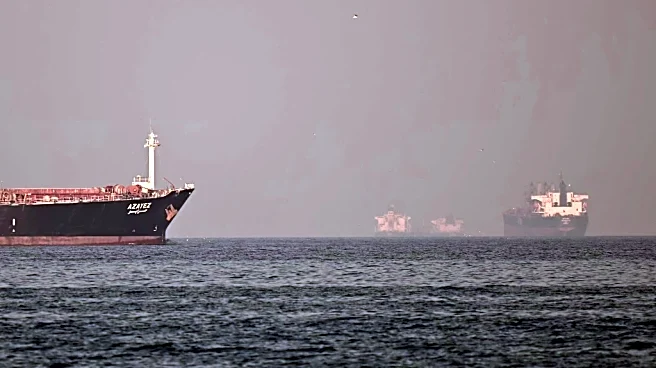
The United Nations Food and Agriculture Organization (FAO) has raised concerns about the impact of escalating conflict in the Middle East on global agriculture costs. According to Maximo Torero, the FAO's chief economist, the conflict is driving up energy
and agriculture costs, which could have a ripple effect on global food markets. The FAO's Food Price Index, which monitors monthly changes in international food commodity prices, showed an increase for the second consecutive month in March. The index averaged 128.5 points, marking a 2.4 percent rise from February and a 1.0 percent increase from the previous year. The report highlights that while global food supply remains ample, high energy costs are exerting upward pressure on markets. The Middle East's role as a key transit route for energy and fertilizer raw materials could further elevate agricultural production costs if supply disruptions or increased transport expenses occur.
Why It's Important?
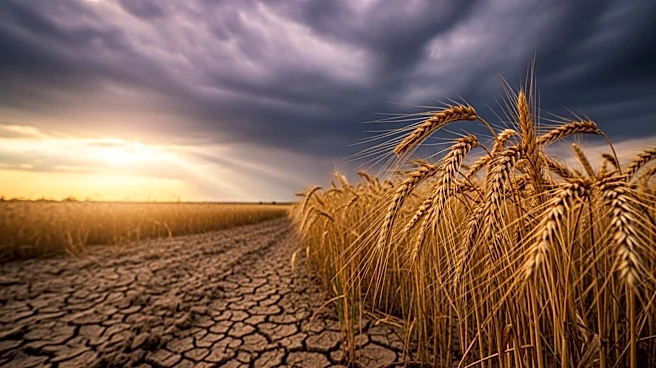
The ongoing conflict in the Middle East poses significant risks to global food security, particularly for countries that rely heavily on food imports. As energy and agricultural input costs rise, farmers may face increased production expenses, potentially leading to reduced output and strained food markets. This situation could disproportionately affect import-dependent nations, leaving vulnerable populations exposed to higher food prices and increased food insecurity. The FAO warns that prolonged conflict could exacerbate these issues, highlighting the need for monitoring and potential intervention to mitigate the impact on global food systems.
What's Next?
The FAO emphasizes that the duration of the Middle East conflict will be a critical factor in determining the extent of its impact on global agriculture costs and food prices. If the conflict persists, it could lead to sustained high energy costs, further driving up agricultural production expenses. This scenario may prompt farmers to alter planting patterns or reduce spending, potentially affecting food supply in the coming quarters. Import-dependent countries will need to prepare for potential price increases and consider strategies to support vulnerable populations facing food insecurity.