







What's Happening?
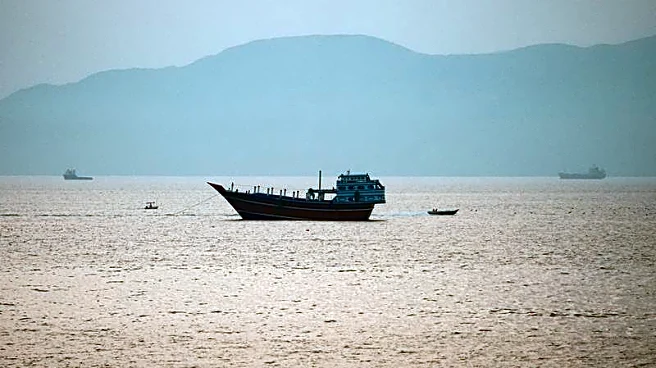
Recent attacks by Iran-backed Houthi militants on Saudi tankers in the Red Sea have significantly disrupted crude oil trade. The Red Sea, previously moving towards normalization, is now experiencing heightened uncertainty. Analysts warn that the situation
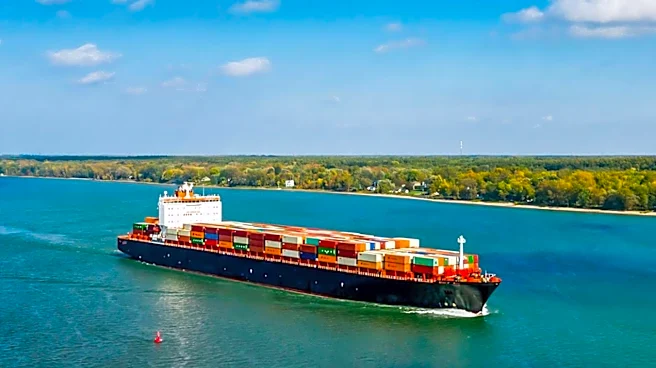
in the Red Sea and the Strait of Hormuz has fundamentally changed, with traffic in the Red Sea dropping by about 60% at the peak of the crisis. The Houthis have claimed responsibility for attacks on at least two Saudi-linked tankers, including the Ann Ciao. The ongoing conflict has led to tanker diversions and increased risks for vessels transiting the region.
Why It's Important?
The attacks on Saudi tankers have far-reaching implications for global energy markets. The Red Sea is a vital route for crude oil exports, and disruptions here can lead to supply shortages and increased oil prices. The situation also underscores the geopolitical risks associated with energy trade in the Middle East. Shipping companies face increased insurance costs and operational challenges, which could impact their profitability and the global supply chain. The conflict highlights the need for enhanced security measures and diplomatic efforts to stabilize the region and ensure the safe passage of oil tankers.
What's Next?
As the conflict continues, shipping companies may need to explore alternative routes to avoid the Red Sea, such as the Cape of Good Hope. The international community may need to intervene to mediate between conflicting parties and restore stability. The situation also calls for increased collaboration between governments and the shipping industry to enhance security measures and protect critical trade routes. The outcome of these efforts will be crucial in determining the future of crude oil trade in the region.