



What's Happening?
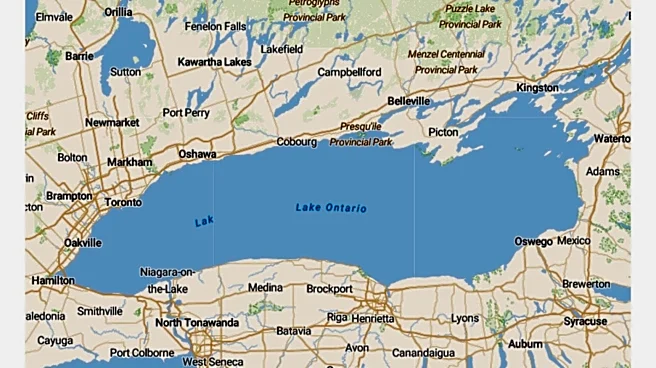
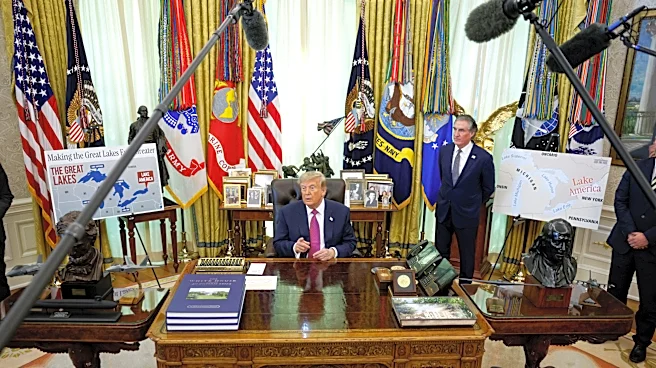
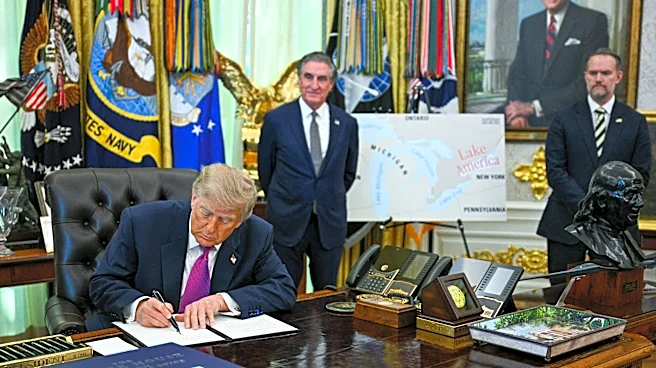
Rochester, N.Y., officials and businesses are opposing President Trump's executive order to rename Lake Ontario as 'Lake America.' The Rochester City Council issued a proclamation on Friday to maintain the lake's original name, calling the renaming a 'stunt'
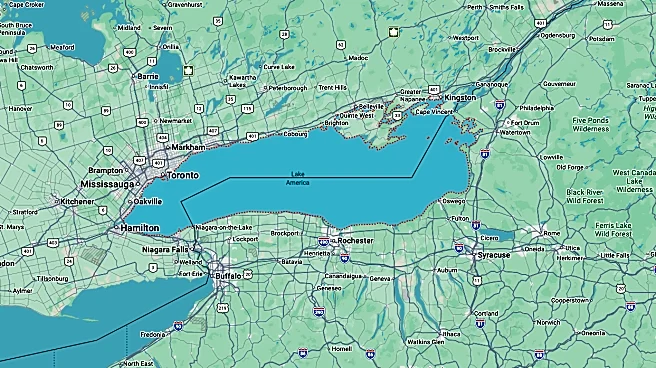
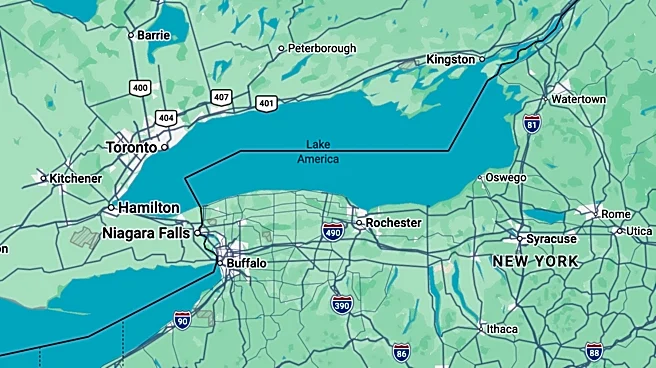
and a distraction from critical issues like housing and the economy. Rochester city council president Miguel A. Meléndez Jr. stated that the name 'Lake America' disrespects Indigenous culture and the lake's history, as 'Ontario' originates from an Iroquois word meaning 'beautiful lake' or 'sparkling water.' White House spokesperson Allison Schuster, however, defended the renaming, asserting that the new name reflects the lake's heritage and its significant volume within U.S. territory. Google Maps has already updated its U.S. interface to display 'Lake America,' while Canadian users still see 'Lake Ontario,' and international users see both names.
Why It's Important?
This controversy highlights a significant cultural and political clash over national identity, historical preservation, and international relations. The renaming of Lake Ontario, a body of water shared with Canada and deeply rooted in Indigenous history, is seen by many as an act of American nationalism that disregards historical and cultural significance. For Rochester, the lake's name is interwoven with local businesses, landmarks, and community identity, making the proposed change disruptive and unwelcome. The defiance by local officials underscores the tension between federal directives and local autonomy, particularly when such directives are perceived as politically motivated and culturally insensitive. This event also strains U.S.-Canada relations, as Canadians have widely condemned the renaming, emphasizing the shared nature of the Great Lakes and the importance of cross-border cooperation.
What's Next?
Rochester city officials and businesses are committed to continuing to refer to the body of water as Lake Ontario, despite President Trump's executive order. The city council's proclamation serves as a formal statement of their stance. The White House maintains its position, with President Trump reportedly asking Apple to also change the name on its maps app. This situation suggests a prolonged period of dual naming, with federal agencies and some digital platforms using 'Lake America' while local entities and Canadian users retain 'Lake Ontario.' The ongoing debate could lead to further public protests, advocacy campaigns, and discussions about the authority of presidential executive orders on geographical names, especially those with international and Indigenous significance. The long-term impact on cross-border relationships and local economies remains to be seen.
Beyond the Headlines
The renaming of Lake Ontario transcends a simple change of nomenclature; it delves into profound questions of cultural heritage, national sovereignty, and the politics of identity. The lake's original name, derived from the Iroquois, carries centuries of Indigenous history and meaning, which critics argue is erased by the new designation. This act can be interpreted as a symbolic assertion of American dominance over shared natural resources and a disregard for the historical and cultural ties that bind the U.S. and Canada. The controversy also highlights the power of digital platforms like Google Maps in shaping public perception and potentially legitimizing such changes. This event could trigger broader discussions about the process of naming geographical features, the respect for Indigenous place names, and the role of political leaders in influencing cultural narratives and international relations.