


What's Happening?
Ukraine's military has significantly shifted its strategy towards the use of unmanned systems and technology-driven warfare. This change is driven by a shortage of infantry personnel, with many frontline units operating at reduced capacity. The Ukrainian
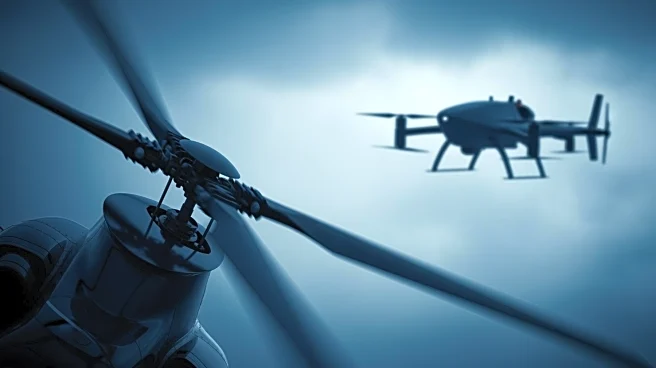
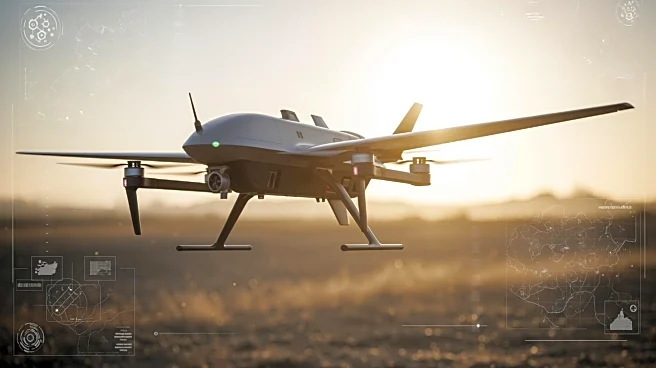
military has established a 15-kilometer unmanned 'kill zone' along the front lines, known as the Drone Line, to compensate for the lack of manpower. The Unmanned Systems Forces, commanded by Maj. Robert 'Magyar' Brovdi, have been instrumental in this transition, with drones and other unmanned systems now playing a central role in military operations. The supply chain for drones has improved, reducing delivery times significantly. Despite these advancements, challenges remain, such as adapting to harsh winter conditions that affect drone operations.
Why It's Important?
The shift towards unmanned systems in Ukraine's military strategy highlights the evolving nature of modern warfare, where technology increasingly supplements or replaces traditional infantry roles. This development is crucial for Ukraine as it faces a larger and better-equipped adversary in Russia. The integration of drones and other unmanned systems allows Ukraine to maintain its defense capabilities despite a significant shortfall in personnel. This strategy not only enhances Ukraine's military effectiveness but also sets a precedent for other nations facing similar challenges. The reliance on technology-driven warfare could influence future military doctrines globally, emphasizing the importance of innovation and adaptability in defense strategies.
What's Next?
As Ukraine continues to integrate unmanned systems into its military operations, further advancements in technology and supply chain efficiency are expected. The ongoing support from NATO and Western allies will be crucial in sustaining Ukraine's military capabilities. Additionally, the Ukrainian military may continue to refine its strategies to address the challenges posed by harsh weather conditions and electronic warfare tactics employed by Russia. The success of Ukraine's approach could lead to increased investment in unmanned systems by other countries, potentially reshaping global military strategies.
Beyond the Headlines
The shift towards unmanned systems in Ukraine's military strategy raises ethical and legal questions about the use of autonomous weapons in warfare. The reliance on technology to replace human soldiers could lead to debates about accountability and the potential for unintended consequences. Additionally, the focus on unmanned systems may influence the future of military training and recruitment, as the skills required for operating advanced technology differ from traditional infantry roles. This transformation could also impact the defense industry, driving innovation and competition in the development of unmanned systems.