




What's Happening?
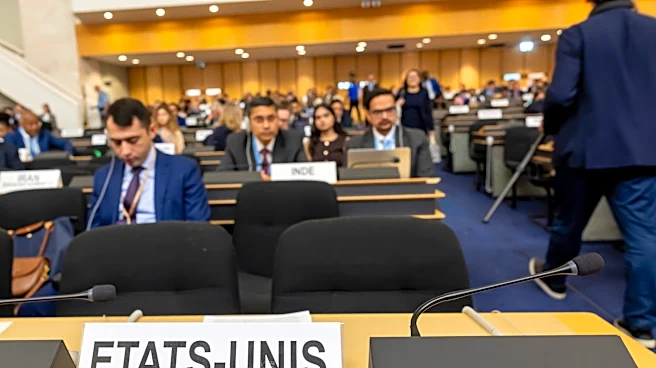
Afghanistan is facing a deepening humanitarian crisis, more than five years after the Taliban's return to power, according to Bruno Lemarquis, the UN Deputy Special Representative for Afghanistan. Speaking on November 6, 2026, Lemarquis highlighted that
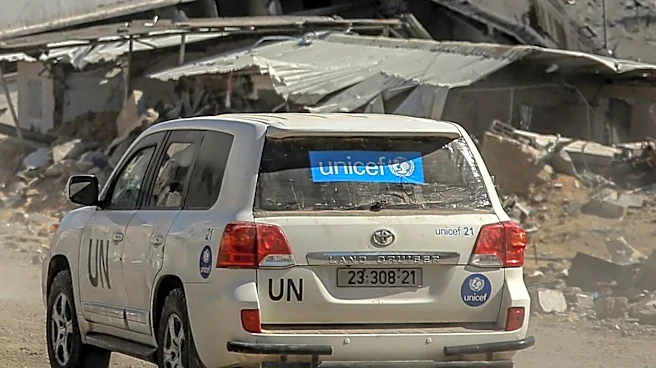
the country's relative stability is being undermined by a fragile economy, extensive curbs on rights, and severe humanitarian needs. Women and girls, in particular, face 'severe and sweeping' restrictions that limit their access to education, employment, and participation in public life. Since 2021, over 2.6 million girls have been denied secondary education, and female university enrollment is currently at zero. Additionally, Afghan women staffers have been banned from entering United Nations premises across Afghanistan since September 2025, a ban that remains in effect and impacts UN operations. The Taliban's justifications for these restrictions are attributed to a combination of religious extremism and entrenched historical practices of control and discrimination.
Why It's Important?
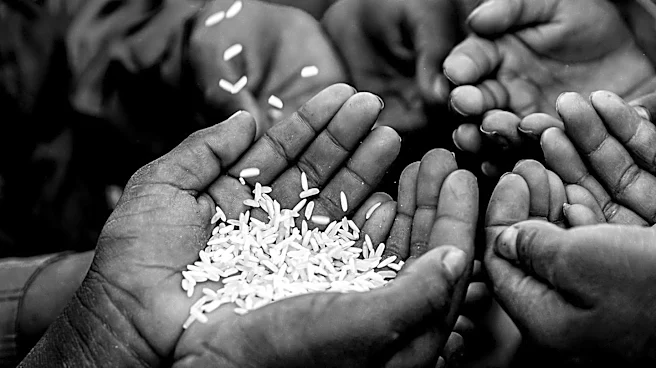
The ongoing restrictions on women and girls in Afghanistan have profound implications, not only for human rights but also for the country's long-term development and stability. The denial of education to millions of girls and the exclusion of women from employment and public life represent a significant loss of human capital, hindering economic recovery and social progress. The ban on Afghan women aid workers from UN premises further complicates humanitarian efforts, potentially limiting access to vulnerable populations and undermining the effectiveness of aid programs. This situation exacerbates the humanitarian crisis, as declining international funding has already led to the closure of many health facilities, increasing the severity of needs for the Afghan population. The international community's response to these restrictions is crucial, as continued pressure is needed to advocate for the restoration of women's rights and to ensure that humanitarian aid can reach those most in need.
What's Next?
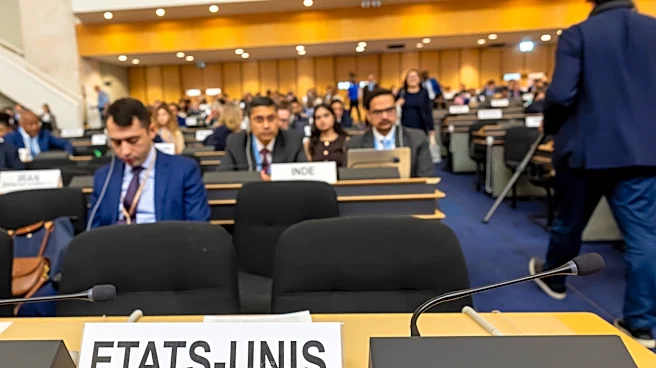
The UN Deputy Special Representative for Afghanistan, Bruno Lemarquis, warned that while the number of people requiring assistance is expected to decline next year, the severity of humanitarian needs will increase by approximately 30%. This projection underscores the urgent need for sustained international support and a re-evaluation of aid strategies to address the complex challenges posed by the Taliban's policies. The ongoing ban on Afghan women staffers from UN premises will likely continue to impede humanitarian operations, necessitating alternative approaches to service delivery and program design. The international community, including human rights organizations and activists, will likely continue to protest and campaign for the restoration of women's rights, urging the Taliban to lift restrictions and respect fundamental human rights. The situation also calls for continued coordination among humanitarian and development actors to navigate the increasingly constrained operating environment.
Beyond the Headlines
The systematic discrimination against women and girls in Afghanistan, characterized by some as 'gender apartheid,' extends beyond immediate humanitarian concerns to fundamental ethical and legal dimensions. The Taliban's policies represent a severe rollback of human rights, challenging international norms and conventions on gender equality and education. The impact of these restrictions will likely lead to a lost generation of educated women, with long-term consequences for Afghanistan's social fabric, economic potential, and future leadership. The situation also highlights the complexities of engaging with regimes that impose such restrictions, raising questions about the balance between humanitarian imperatives and the upholding of human rights principles. The resilience of Afghan women, who continue to protest and campaign for their rights, serves as a powerful symbol of resistance against oppression, drawing international attention to a crisis that risks falling off the global radar.