





What's Happening?
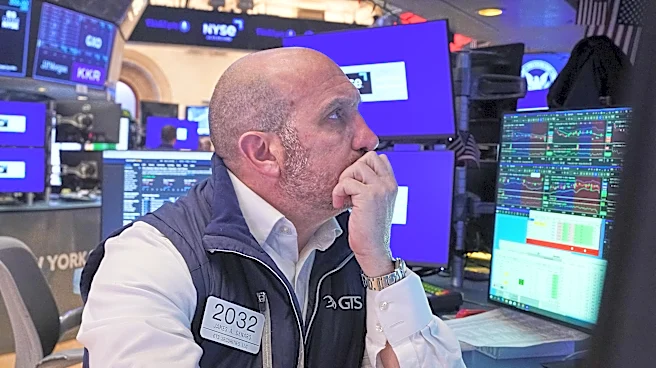
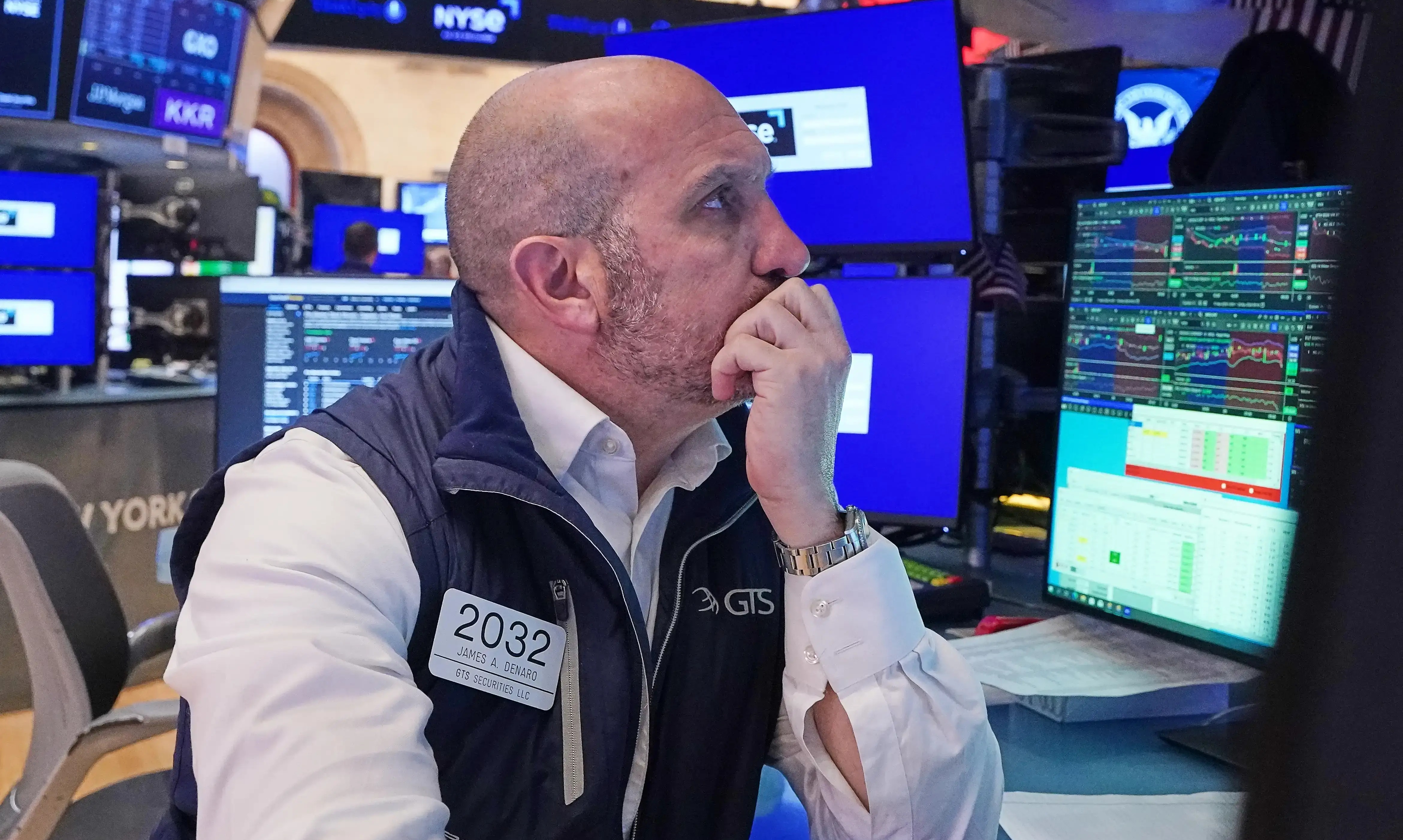
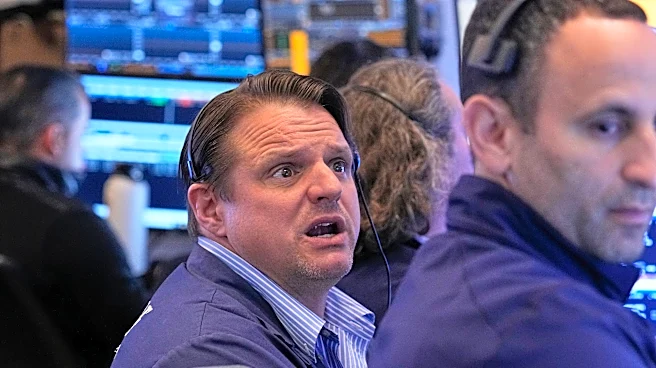
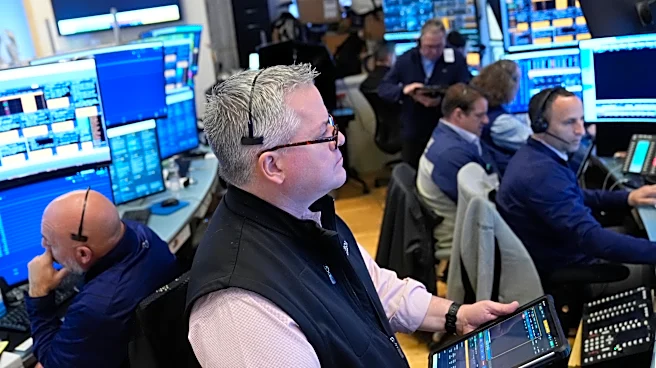
Global financial markets are experiencing mixed reactions as investors closely monitor developments in the U.S.-Iran conflict. President Trump has extended a ceasefire that was set to expire, leading to cautious trading across various international markets.
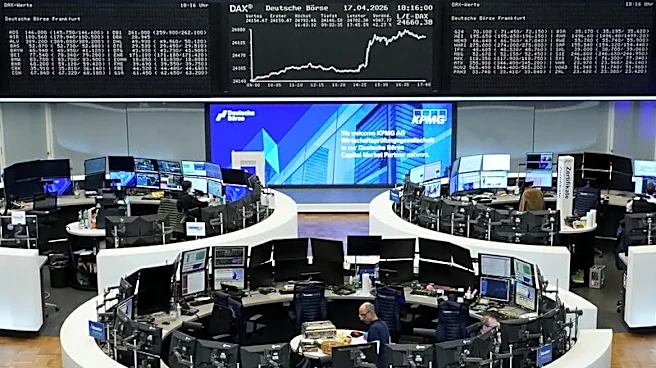
In Europe, France's CAC 40 and Germany's DAX saw slight declines, while Britain's FTSE 100 remained stable. U.S. futures indicated a potential rise, with Dow and S&P 500 futures both up by 0.4%. In Asia, Japan's Nikkei 225 rose by 0.4%, while Australia's S&P/ASX 200 fell by 1.2%. The ongoing conflict has also impacted oil prices, with U.S. crude and Brent crude experiencing fluctuations. The Strait of Hormuz, a critical passage for oil tankers, remains a focal point of concern. Meanwhile, U.S. Vice President JD Vance has canceled a trip to Pakistan, where he was expected to lead negotiations with Iran.
Why It's Important?
The extension of the ceasefire between the U.S. and Iran holds significant implications for global economic stability and energy markets. The Strait of Hormuz is a vital route for oil exports, and any disruption could lead to increased volatility in oil prices, affecting global supply chains. The uncertainty surrounding the ceasefire impacts investor confidence, influencing stock markets worldwide. Countries heavily reliant on oil imports, such as Japan, are particularly vulnerable to these fluctuations. The situation also underscores the geopolitical tensions that can arise from international conflicts, highlighting the interconnectedness of global economies. Businesses and governments must navigate these uncertainties, balancing economic interests with diplomatic strategies.
What's Next?
The next steps in the U.S.-Iran negotiations will be crucial in determining the future stability of the region and its economic implications. Both countries have indicated a willingness to resume hostilities if a long-term agreement is not reached. The international community will be watching closely for any developments that could either ease tensions or escalate the conflict. Economic stakeholders, including oil companies and financial institutions, will need to prepare for potential market shifts. Diplomatic efforts may intensify as global leaders seek to mediate and prevent further escalation.