








What's Happening?
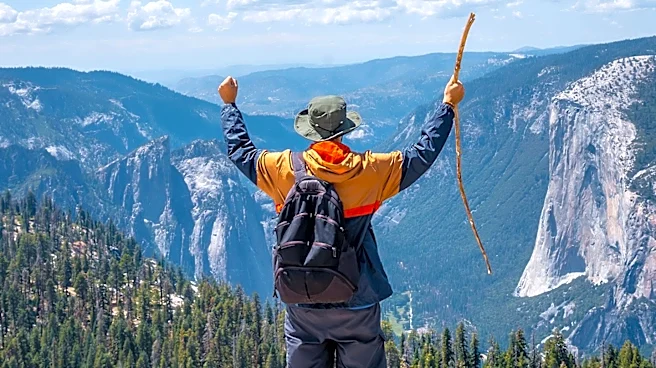
Outdoor enthusiasts in the U.S. are actively seeking out premier adventure experiences, with several iconic locations identified as top destinations. These include the Grand Canyon Rim-to-Rim hike in Arizona, the John Muir Trail in California, paddling
the Boundary Waters in Minnesota, traversing Zion's Narrows in Utah, and climbing Mount Rainier in Washington. Each of these adventures offers unique challenges and requires varying levels of physical conditioning and logistical planning. For instance, the Grand Canyon Rim-to-Rim hike spans approximately 24 miles and demands careful heat management, while the John Muir Trail is a 211-mile multi-week backpacking route through California's Sierra Nevada, often requiring permits secured months in advance. The Boundary Waters Canoe Area Wilderness provides over a million acres of interconnected waterways for canoeing and portaging, emphasizing navigation skills and endurance. Zion's Narrows involves wading through the Virgin River within a slot canyon, with flash flooding being a significant hazard. Mount Rainier, a glaciated peak, offers a multi-day mountaineering challenge requiring specialized gear and skills.
Why It's Important?
The sustained interest in these high-demand outdoor adventures highlights a significant trend in U.S. leisure and tourism, impacting national parks, wilderness areas, and local economies. The popularity of these challenging trips drives demand for specialized gear, guide services, and accommodations in surrounding communities. This trend also underscores the importance of conservation efforts and responsible tourism to preserve these natural landscapes. The need for permits and advance planning for many of these activities, such as the John Muir Trail's lottery system, reflects the delicate balance between public access and environmental protection. Furthermore, the physical and mental demands of these adventures promote a culture of fitness and self-reliance, influencing health and wellness industries. The economic impact extends to outfitters, transportation services, and local businesses that cater to adventurers, creating jobs and revenue in often remote regions. The emphasis on safety and preparedness for activities like climbing Mount Rainier or navigating Zion's Narrows also contributes to the growth of outdoor education and safety training programs.
What's Next?
As interest in outdoor adventure continues, national parks and wilderness management agencies will likely face ongoing challenges in managing visitor impact and ensuring sustainable access. This could lead to further refinements in permit systems, increased educational initiatives on Leave No Trace principles, and potential investments in infrastructure to support growing visitor numbers. Local communities surrounding these adventure hubs may see continued economic growth, but also face pressures related to housing, services, and environmental impact. The outdoor gear and apparel industry is expected to innovate further, developing lighter, more durable, and environmentally friendly equipment to meet the demands of these rigorous activities. Additionally, there may be a rise in guided tours and specialized training programs to help individuals prepare for and safely undertake these challenging expeditions. The ongoing promotion of these destinations through various media will likely sustain their popularity, necessitating adaptive management strategies from all stakeholders.
Beyond the Headlines
The allure of these challenging outdoor adventures extends beyond mere recreation, touching upon deeper societal values related to resilience, connection with nature, and personal achievement. In an increasingly urbanized and technologically driven world, these experiences offer a vital escape and a means to test one's limits against the raw power of the natural environment. The pursuit of such adventures can foster a greater appreciation for wilderness conservation and environmental stewardship, as participants witness firsthand the beauty and fragility of these ecosystems. There's also a psychological dimension, where overcoming significant physical and logistical hurdles can build confidence and mental fortitude. The shared experience of these demanding trips often creates strong bonds among participants, highlighting the social benefits of outdoor activities. Furthermore, the stories and images from these adventures contribute to a broader cultural narrative of exploration and discovery, inspiring others to engage with the natural world and promoting a healthier, more active lifestyle.