



What's Happening?
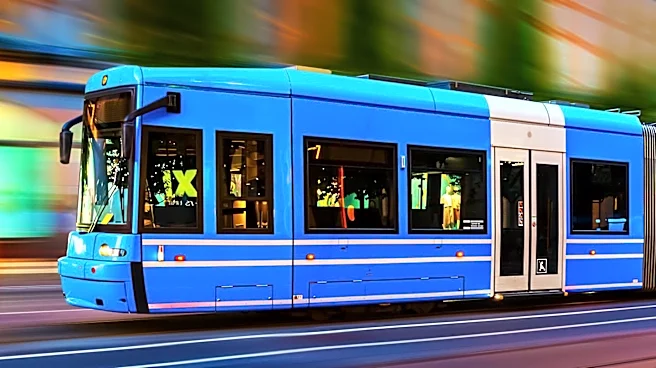
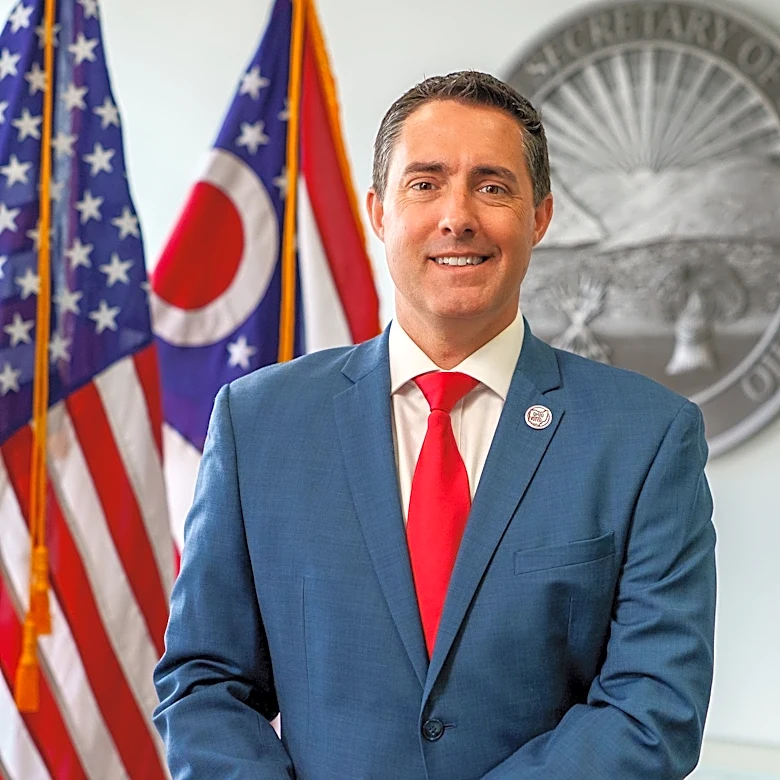
Omaha is proceeding with a $478 million streetcar project, aiming for a 2028 opening, which is two years behind its original schedule. The project leaders, including Steve Jensen, interim director of the Omaha Streetcar Authority, and Eric Miller, streetcar operations
manager, claim to have learned from other cities' experiences, modeling Omaha's system after successful examples like Portland for development and Kansas City for route design. They plan to offer free rides, a strategy adopted from Oklahoma City to boost ridership. However, the project faces significant public skepticism, with local real estate agent Ron Rubin criticizing the lack of citizen input and a public vote, arguing that it benefits 'profiteers' without public consensus. Jensen clarified that the project is funded through a tax increment financing (TIF) plan, drawing on future taxes from new streetcar-adjacent developments, rather than existing city funds or traditional public bonds, thus bypassing the need for a public vote.
Why It's Important?
The Omaha streetcar project highlights a growing trend in urban development where large infrastructure initiatives are pursued without direct public referendums, relying instead on alternative funding mechanisms like TIF. This approach, while potentially accelerating development, can lead to a perception of a lack of transparency and public input, as evidenced by the estimated 70% of Omahans who are either against or unsure of the project. The debate over the streetcar's necessity and funding model reflects broader national discussions about urban planning, public transportation, and the role of private development in shaping city landscapes. The project's success or failure could influence future infrastructure decisions in Omaha and other U.S. cities, particularly regarding the balance between economic development goals and public accountability. The potential for significant economic development, as seen in Kansas City and Portland, is a key driver, but the risk of low ridership and high operational costs, as experienced in Washington D.C. and St. Louis, remains a concern.
What's Next?
The Omaha streetcar is projected to open in 2028, with construction continuing along its planned route. Project leaders will likely continue efforts to address public skepticism and communicate the perceived benefits of the streetcar, particularly its role in spurring economic development. The city plans to create an advisory committee to gather perspectives from local stakeholders, including business owners and residents, in response to criticisms about the current board's composition. The financial and developmental outcomes of the project will be closely watched, as they will determine whether Omaha's streetcar can replicate the successes of other cities or fall into the pitfalls of those that struggled with ridership and cost. The ongoing debate over public input and funding mechanisms for such projects is expected to continue, potentially influencing future urban development policies.
Beyond the Headlines
The Omaha streetcar project delves into the complex ethical and governance dimensions of urban development. The decision to fund the project through TIF, bypassing a public vote, raises questions about democratic participation in significant public works. While proponents argue that TIF avoids direct taxpayer burden, critics contend it can lead to a lack of public ownership and benefit primarily developers. The composition of the Omaha Streetcar Authority board, heavily weighted with city and Metro Transit employees and a single influential developer, further fuels concerns about representation and potential conflicts of interest. This situation underscores the tension between efficient project execution and inclusive community engagement. The long-term implications could include shifts in how cities approach funding and oversight for major infrastructure, potentially leading to increased demands for public referendums or more diverse stakeholder representation on project boards to ensure broader community buy-in and equitable distribution of benefits.