






What's Happening?
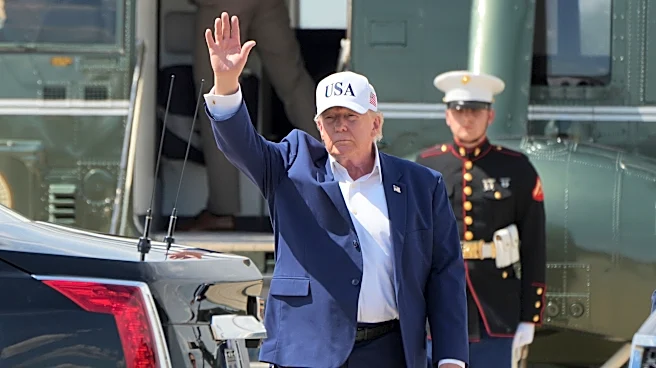
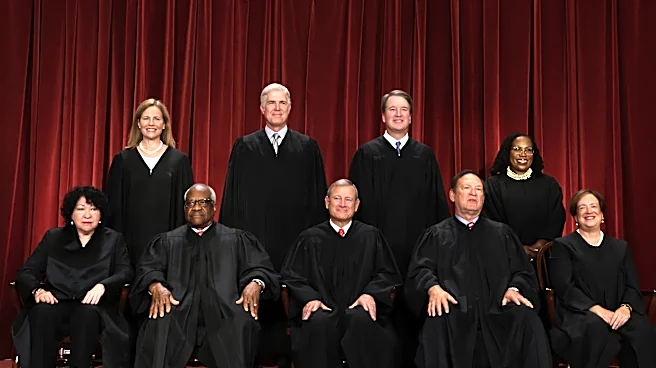
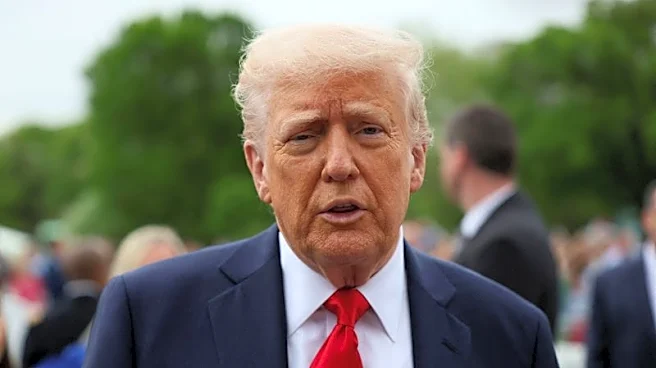
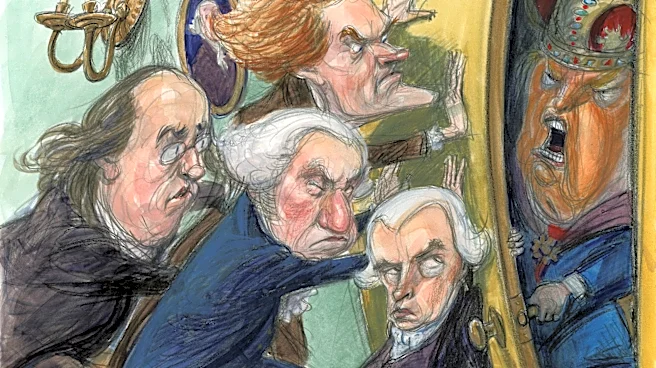
President Trump has signed an order to deny birthright citizenship to children born in the U.S. to parents who are living in the country illegally or have temporary legal status. This move, part of a broader immigration crackdown, is now under review
by the U.S. Supreme Court. Trump, who signed the order on January 20, 2025, during his second term, claims the U.S. is the only country to allow such citizenship, a statement contradicted by the fact that about three dozen countries, including Mexico, Canada, and Brazil, also offer birthright citizenship. The order has sparked significant debate, as birthright citizenship in the U.S. is rooted in the 14th Amendment, established post-Civil War to ensure citizenship for former slaves and expanded to include immigrants' children in the late 1800s.
Why It's Important?
The Supreme Court's decision on this matter could have profound implications for U.S. immigration policy and the lives of many families. If upheld, the order could alter the legal status of thousands of children born in the U.S., potentially leading to increased deportations and family separations. This policy shift could also impact the demographic and cultural landscape of the nation, as birthright citizenship has historically contributed to the U.S.'s diverse population. The decision will be closely watched by immigration advocates, legal experts, and policymakers, as it could set a precedent for future immigration reforms and influence international perceptions of U.S. immigration policies.
What's Next?
The Supreme Court is expected to deliver a ruling on the constitutionality of President Trump's order soon. Depending on the outcome, there could be significant legal and political reactions. If the order is upheld, it may prompt legislative efforts to amend the 14th Amendment or introduce new immigration laws. Conversely, if struck down, it could reinforce the current interpretation of birthright citizenship and potentially lead to challenges against other immigration policies introduced by the Trump administration. Stakeholders, including immigrant communities, legal organizations, and political leaders, are likely to respond vigorously to the court's decision.
Beyond the Headlines
The debate over birthright citizenship touches on deeper issues of national identity, sovereignty, and the historical role of immigration in shaping the U.S. The policy's roots in post-Civil War America highlight its significance in the broader context of civil rights and equality. The potential changes to this policy raise ethical questions about the rights of children born in the U.S. and the responsibilities of the nation to uphold its constitutional principles. Additionally, the international dimension, with many countries offering similar citizenship rights, underscores the global nature of migration and the interconnectedness of national policies.