




What's Happening?
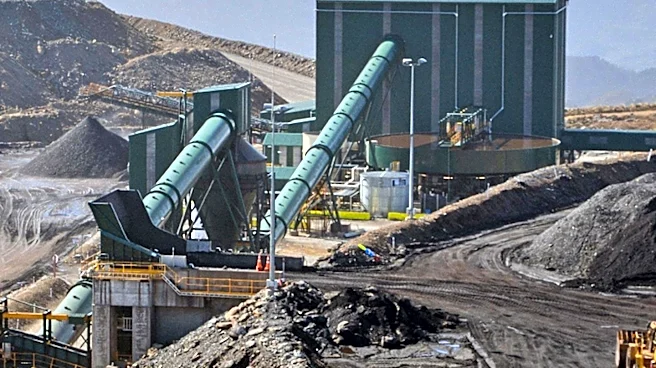
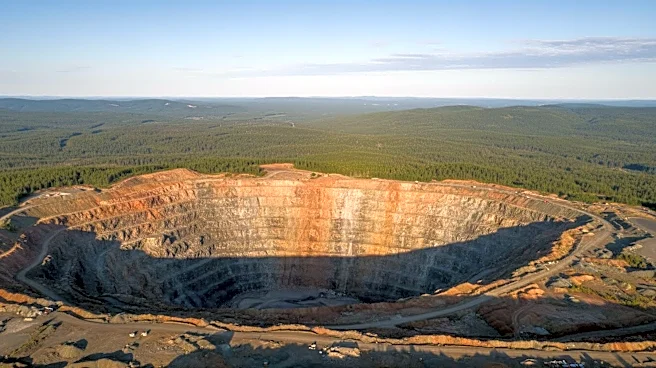
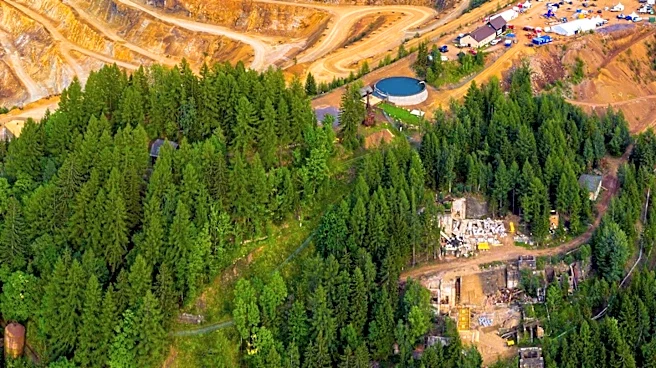
British Columbia ministers have approved a height increase for the tailings dam at the Mount Polley mine, which was the site of a significant breach nearly 12 years ago. The Mount Polley copper and gold mine, located in south-central B.C., will see its
tailings storage facility height increased by 13 meters to support ore processing for the mine’s Springer Pit expansion. This decision follows a comprehensive review by the Environmental Assessment Office (EAO) over the past seven months, which concluded that the proposed changes are unlikely to result in significant new impacts compared to existing operations. Permit amendments under the Mines Act are still required before the project can proceed. The Springer Pit expansion, approved last August, is expected to extend the mine’s operating life to 2033. The 2014 breach at Mount Polley resulted in 25 million cubic meters of water and materials being released into nearby waterways, impacting local fish stocks and salmon habitats.
Why It's Important?
The approval to increase the height of the tailings dam at Mount Polley mine is significant due to the historical context of the 2014 breach, which was one of Canada’s worst mining disasters. The decision reflects ongoing efforts to balance resource extraction with environmental protection. The approval process included consultations with local First Nations, who have expressed concerns about the environmental impact and the adequacy of the assessment process. The province has updated mine safety regulations since the disaster, indicating a commitment to preventing future incidents. The expansion of the mine’s operations until 2033 suggests economic benefits, including job creation and continued resource extraction, but also raises questions about long-term environmental stewardship and the rights of indigenous communities.
What's Next?
Permit amendments under the Mines Act are required before the height increase can be implemented. The province will continue to engage with local First Nations to address concerns and ensure compliance with updated safety regulations. The ongoing monitoring and assessment of environmental impacts will be crucial in maintaining the balance between economic development and environmental protection. Stakeholders, including environmental groups and indigenous communities, may continue to scrutinize the project, potentially leading to further legal challenges or calls for more stringent regulations.
Beyond the Headlines
The decision to increase the tailings dam height at Mount Polley mine highlights broader issues of environmental justice and the rights of indigenous communities in resource extraction projects. The historical breach and its impact on local ecosystems underscore the need for robust environmental assessments and community engagement. The case also reflects the challenges of reconciling economic interests with environmental sustainability, a recurring theme in resource-rich regions. The updated safety regulations and consultation processes may serve as a model for future projects, emphasizing the importance of transparency and accountability in environmental governance.