





What's Happening?
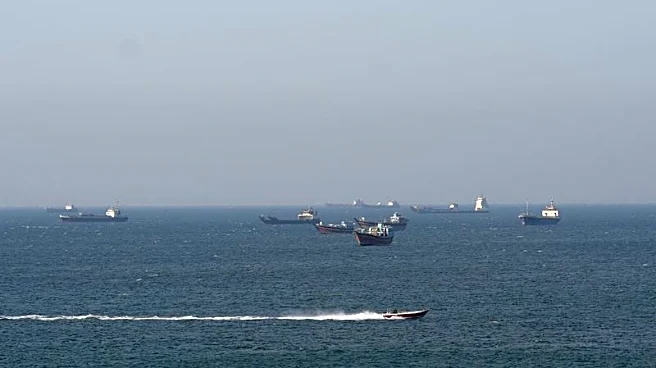
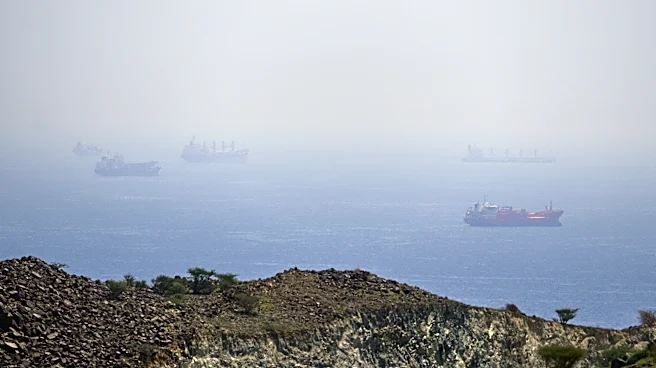
Oil prices have risen significantly due to a standoff between the United States and Iran, which has led to the closure of the Strait of Hormuz, a critical waterway for global energy supplies. The price of U.S. crude oil increased by 6.4% to $87.88 per
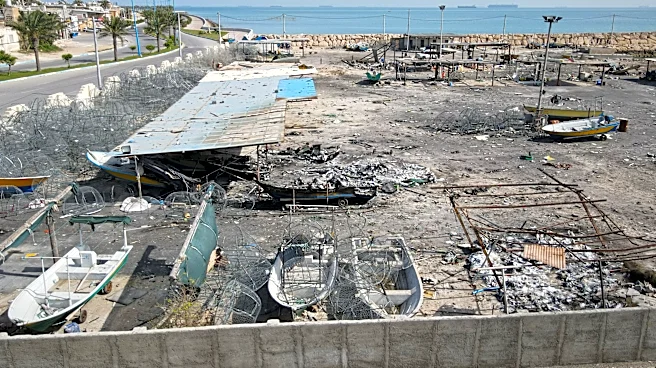
barrel, while Brent crude rose by 6.5% to $96.25 per barrel. This development follows Iran's reversal of its decision to reopen the strait after President Trump announced that a U.S. Navy blockade of Iranian ports would continue. The ongoing US-Israeli conflict with Iran, now in its eighth week, has exacerbated the global energy crisis, affecting countries in Asia and Europe that rely heavily on Middle Eastern oil. Energy Secretary Chris Wright indicated that while prices might have peaked, a significant decrease in gas prices is not expected until next year.
Why It's Important?
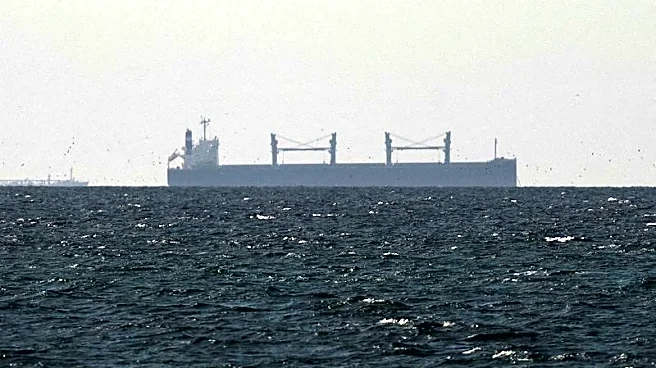
The closure of the Strait of Hormuz has significant implications for global energy markets, as it is a vital passage for oil shipments. The standoff has led to increased oil prices, impacting businesses and consumers worldwide, particularly in regions heavily dependent on Middle Eastern oil. The situation underscores the vulnerability of global energy supplies to geopolitical tensions. The prolonged conflict and blockade could lead to further disruptions in oil shipments, potentially causing long-term economic repercussions. The energy crisis highlights the need for diversified energy sources and increased energy security measures.
What's Next?
A fragile ceasefire between the U.S. and Iran is set to expire soon, raising concerns about the potential for further escalation. Analysts warn that even if the Strait of Hormuz is reopened, it could take months for oil shipments to normalize due to backed-up tanker traffic and damaged energy infrastructure. The situation remains volatile, with the possibility of renewed negotiations or further military actions. Stakeholders, including governments and energy companies, will need to closely monitor developments and prepare for potential disruptions in the energy supply chain.