








What's Happening?
After nine months and seven fact-finding meetings, Oregon Governor Tina Kotek’s Data Center Advisory Committee has released a 20-page report of 'preliminary learnings and questions' for public comment. The report, a departure from the initially tasked
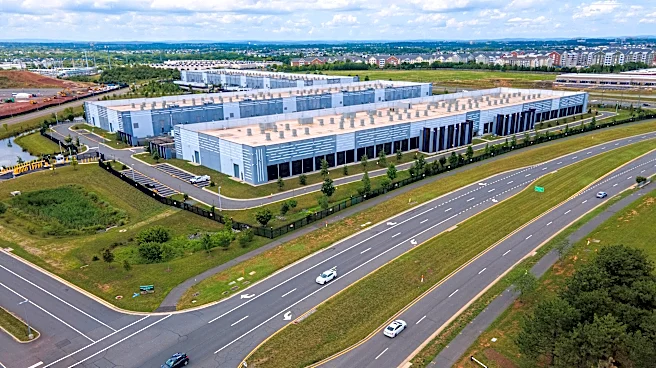
cost-benefit analysis, highlights more considerations than conclusions regarding the data center industry's impact on the state. The committee found a considerable lack of information due to widespread use of non-disclosure agreements and corporate secrecy. Key concerns identified include the data centers' growing demands for energy, water, and land, and the significant tax breaks they receive. The committee noted that 9,000 acres are proposed for data center development, with eight of 31 new facilities being hyperscale data centers for large-scale data storage and AI processing.
Why It's Important?
This report is crucial for Oregon and potentially other U.S. states grappling with the rapid expansion of the data center industry. The lack of transparent information and the significant demands on resources raise concerns about sustainable development, utility affordability, and equitable resource allocation. For Oregon, a top-ten market for data centers, the industry's growth impacts energy grids, water supplies, and local tax bases. The committee's findings suggest that current state policies, including generous tax incentives, may be overly beneficial to data centers without sufficient returns for communities. This situation could lead to increased utility costs for residents, competition for water resources with agriculture, and a diminished tax base for public services, affecting the state's long-term economic and environmental health.
What's Next?
The public has until October 24 to submit comments on the committee's report. Following this, the committee is expected to provide final recommendations to Governor Kotek by the end of the year, after the November election. Governor Kotek has already expressed support for a statewide data center moratorium and unveiled a roughly one-year pause on approvals for new data centers on state land or in state buildings, though she noted the state lacks authority for an all-out moratorium. The committee's future recommendations will likely focus on improving oversight, centralizing information on data center operations, and re-evaluating the state's incentive programs to ensure a more balanced benefit for Oregonians.
Beyond the Headlines
The Oregon data center situation highlights a broader national challenge: how to balance technological advancement and economic growth with environmental sustainability and community well-being. The reliance on non-disclosure agreements by tech companies raises questions about corporate transparency and accountability, particularly when their operations have significant public impacts. The debate over tax breaks for data centers also brings to light the ethical considerations of corporate welfare versus public investment, and whether such incentives truly benefit the wider populace. This scenario could serve as a case study for other states experiencing similar tech booms, prompting a re-evaluation of policies that may inadvertently create resource strains and inequities. Ultimately, it forces a deeper conversation about the long-term societal and environmental costs of unchecked industrial expansion, especially in resource-intensive sectors like data processing and artificial intelligence.