
What's Happening?
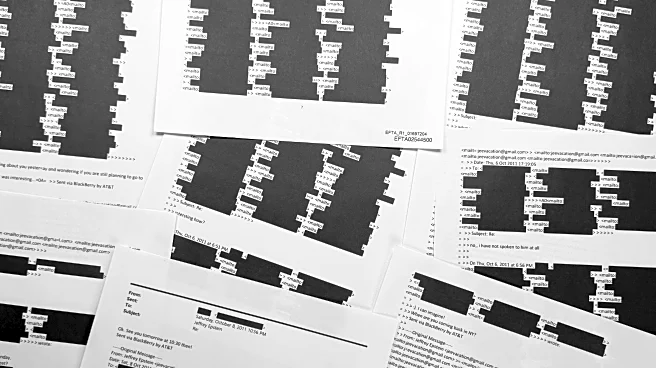
Former President Bill Clinton has been summoned to appear before the House Oversight Committee as part of an investigation into Jeffrey Epstein. Both Bill and Hillary Clinton have been subpoenaed for closed-door
depositions, but their attendance remains unconfirmed. The committee, led by Chairman James Comer, has warned that failure to appear could result in contempt of Congress proceedings. This situation arises from the Clintons' previous associations with Epstein, although they have not been implicated in any wrongdoing. The committee's investigation is part of a broader effort to scrutinize Epstein's connections and activities.
Why It's Important?
The potential contempt proceedings against a former president underscore the seriousness of the House Oversight Committee's investigation into Epstein's network. This development highlights ongoing political tensions and the use of congressional powers to enforce compliance with subpoenas. The situation also reflects broader public and political interest in holding influential figures accountable for their associations and actions. The outcome of this investigation could have implications for how Congress exercises its oversight functions and the legal precedents set for future inquiries.
What's Next?
If the Clintons fail to appear, the House Oversight Committee may proceed with contempt of Congress charges, which could lead to a criminal referral to the Department of Justice. This would involve a vote in the House and could result in legal consequences for the Clintons. The committee's actions will likely be closely watched, as they could influence future congressional investigations and the enforcement of subpoenas. The situation may also prompt further legal and political debates about the limits of congressional authority and the rights of individuals under investigation.