








What's Happening?
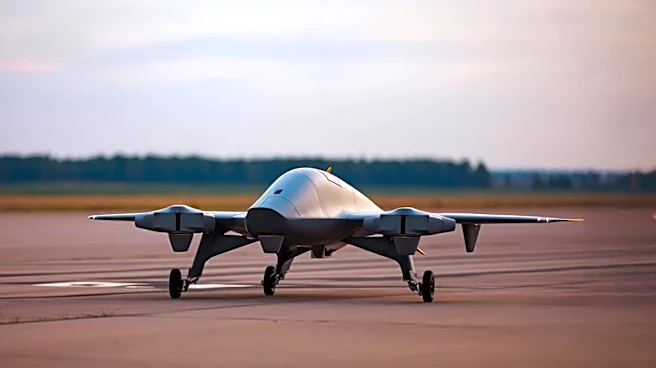
SPARC AI Inc. has signed a Memorandum of Understanding (MOU) with a European drone manufacturer to integrate its Overwatch GPS-independent positioning technology into two new fixed-wing unmanned aerial vehicles (UAVs). This agreement aims to expand the
company's Overwatch positioning network into additional aircraft platforms, with a pathway toward commercial deployment after successful testing. The European manufacturer will conduct independent testing and validation, while SPARC AI provides engineering assistance and technical support. The identity of the manufacturer and its European jurisdiction have not been disclosed due to security sensitivities. Additionally, SPARC AI reported successful operational testing in the Middle East, where a government ministry evaluated Overwatch under GPS-spoofing conditions using government-owned drones. Following this validation, SPARC AI entered an agreement with a regional advisory firm to support defense and commercial opportunities in the Middle East. The Overwatch platform is designed to provide absolute positioning information in environments affected by GPS jamming, spoofing, or signal loss, without requiring additional onboard hardware or software installation on the aircraft.
Why It's Important?
This development is significant for the U.S. and its allies as it addresses a critical vulnerability in modern navigation: reliance on GPS signals, which are susceptible to jamming and spoofing. The expansion of GPS-independent positioning technology, such as SPARC AI's Overwatch, enhances the operational resilience of UAVs in contested environments. This is particularly relevant for defense and commercial drone applications, emergency response, critical infrastructure inspection, and operations in urban or disaster-stricken areas where satellite navigation may be unreliable. By enabling UAVs to maintain accurate positioning without conventional GNSS signals, this technology can improve mission success rates and safety. The dual focus on European integration and Middle East expansion indicates a growing international recognition of the need for robust, alternative navigation solutions, potentially influencing future defense procurement and commercial drone regulations globally. U.S. defense and technology sectors will likely monitor these advancements closely for potential integration into their own systems and strategies.
What's Next?
The European MOU establishes a process for integration and evaluation, with commercial deployment contingent on successful validation. SPARC AI expects to provide further updates as testing programs and business discussions progress. The company is also actively pursuing commercial opportunities alongside its existing defense engagements, indicating a broader market strategy for its GPS-denied navigation technology. The agreement with the Middle East advisory firm is intended to convert technical evaluations into potential commercial engagements with government and defense customers in that region. These developments suggest a continued push towards wider adoption of GPS-independent positioning systems in both military and civilian sectors. Future advancements may include further integration with various UAV platforms and the development of more sophisticated fleet-wide situational awareness capabilities, as seen with Overwatch Intelligence.
Beyond the Headlines
The increasing prevalence of GPS jamming and spoofing, as highlighted by SPARC AI's trials in Ukraine, underscores a broader shift in modern warfare and security challenges. The ability to operate effectively in GNSS-denied environments is becoming a strategic imperative, moving beyond military applications to impact critical civilian infrastructure and services. This trend could lead to a re-evaluation of navigation standards and a greater emphasis on redundant and resilient positioning technologies. The stateless nature of Overwatch, which processes information without retaining customer telemetry or location data, also raises important considerations regarding data privacy and security in an increasingly interconnected world. The development of such technologies could foster a new arms race in electronic warfare capabilities, where the ability to disrupt or maintain navigation becomes a key determinant of operational advantage. This also highlights the ethical implications of developing technologies that can operate in environments where traditional safeguards are compromised.