

What's Happening?
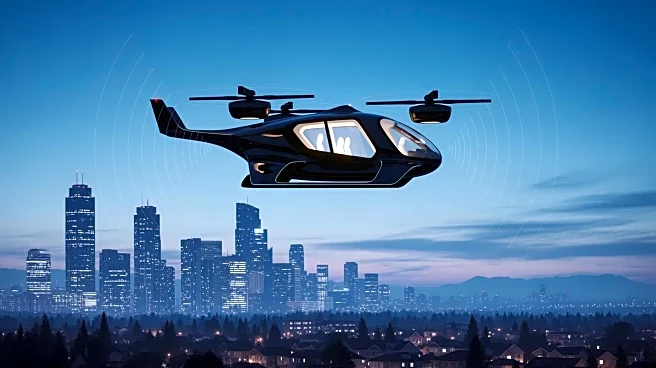
NASA has conducted a study to understand how people respond to the noise generated by air taxis, a new form of air transportation intended for short-distance travel. The research, part of NASA's Varied Advanced Air Mobility Noise and Geographic Area Response
Difference (VANGARD) test, involved 359 participants from Los Angeles, New York City, and Dallas-Fort Worth. Participants were exposed to 67 unique aircraft sounds, including those from NASA-owned concept designs, without revealing the manufacturers or showing images of the aircraft. Initial findings suggest that residents in noisier urban areas are more disturbed by air taxi sounds compared to those in quieter suburban settings. The study aims to guide the design and operation of future air mobility aircraft.
Why It's Important?
The study is significant as it addresses the potential impact of air taxis on urban and suburban communities, particularly concerning noise pollution. As air taxis are expected to become a common mode of transportation, understanding public perception of their noise is crucial for their integration into society. The findings could influence regulatory decisions and aircraft design, ensuring that air taxis are accepted by the public and do not contribute to noise pollution. This research is part of NASA's broader efforts to advance air mobility and could have implications for urban planning and transportation policy.
What's Next?
NASA's VANGARD team will continue to analyze the data to refine their understanding of public reactions to air taxi noise. The insights gained will inform the development of noise mitigation strategies and influence the regulatory framework for air taxis. Future studies may explore additional factors affecting noise perception, such as the masking effects of background noise. The results will be shared with aircraft designers and regulators to optimize the integration of air taxis into urban environments.