




What's Happening?
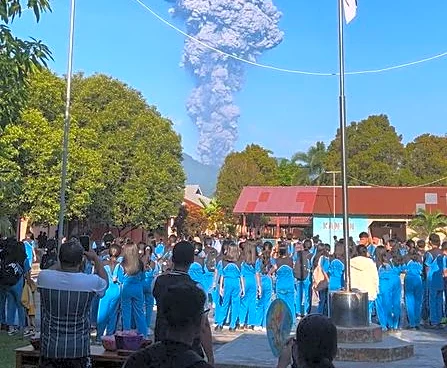
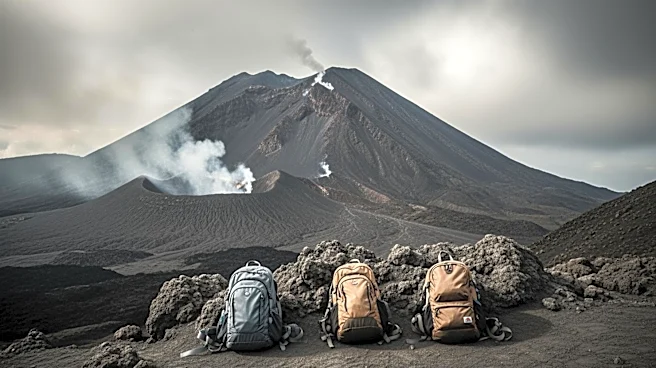
An eruption of Mount Dukono on Indonesia's Halmahera island resulted in the deaths of three hikers, including two Singaporeans and one Indonesian. The eruption occurred on May 8, 2026, sending a thick ash column approximately 10 kilometers into the sky.
Despite the area being closed to visitors since April 17 due to increased volcanic activity, about 20 climbers attempted to ascend the volcano. Rescue operations are underway to locate the remaining missing hikers. Authorities have issued warnings for residents and tourists to maintain a safe distance from the Malupang Warirang crater, the center of volcanic activity.
Why It's Important?
The eruption highlights the ongoing risks associated with volcanic activity in Indonesia, a country situated on the Pacific 'Ring of Fire.' The incident underscores the challenges faced by authorities in enforcing safety regulations in high-risk areas, particularly when tourists and adventurers seek to defy restrictions for personal experiences. The tragedy also raises concerns about the preparedness and response capabilities of local rescue teams in dealing with natural disasters. The economic impact on local tourism and the potential health risks from volcanic ash to nearby communities are significant considerations.
What's Next?
Rescue teams continue to search for the missing hikers, with operations hampered by ongoing eruptions and unsafe conditions. Authorities are likely to review and possibly tighten safety protocols and enforcement measures to prevent future incidents. The incident may prompt discussions on the balance between tourism and safety in volcanic regions. Local communities and businesses may need to adapt to potential disruptions caused by the volcanic activity, including ashfall affecting daily life and transportation.
Beyond the Headlines
The eruption raises ethical questions about the responsibilities of tour operators and guides in ensuring the safety of their clients. The incident also highlights the cultural fascination with natural wonders and the risks people are willing to take for unique experiences. Long-term, the event could influence policy changes regarding access to high-risk natural sites and the role of social media in promoting potentially dangerous activities.