





What's Happening?
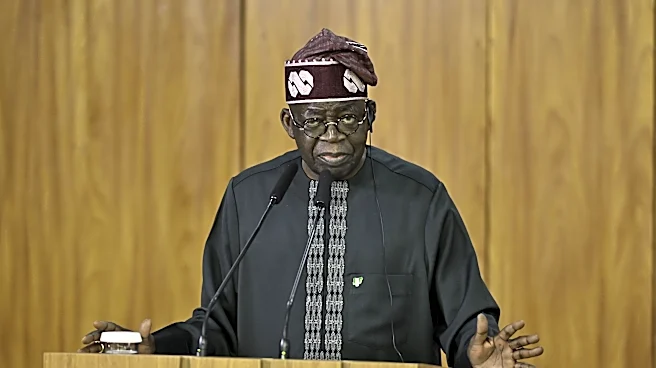
Ethiopian Prime Minister Abiy Ahmed announced in July 2026 a government target to construct 1.5 million new houses over five years. This initiative follows the construction of 1.2 million homes across the country in the preceding seven years. The new program
will utilize various delivery mechanisms, including tenant-purchase arrangements, mortgage refinancing, and partnerships with private developers, involving government agencies, private investors, and public-private partnerships. The administration also plans to introduce modern construction technologies, such as 3D construction methods, and develop long-term financing arrangements to support homeownership for low- and middle-income households, as well as rental alternatives. The program aims to expand housing supply beyond major urban centers to include rural communities. However, the 1.5 million figure is a target, and a detailed breakdown of projected costs, financing commitments, construction timetable, and expected price per housing unit has not yet been publicly provided.
Why It's Important?
This ambitious housing initiative by Prime Minister Abiy Ahmed is significant for Ethiopia as it seeks to address a substantial housing deficit, estimated at approximately 471,000 units annually up to 2025. The program's success could significantly improve living conditions and economic stability for a large segment of the population. However, a World Bank study on Ethiopia's previous Integrated Housing Development Programme (IHDP) highlighted major affordability problems, with even the cheapest studio apartments being beyond the reach of the bottom 40 percent of urban households. The study also found that the government recovered only about 35 percent of the cost of producing an average unit through sales, indicating substantial subsidies. This historical context suggests that while the new initiative aims to provide housing, ensuring actual affordability and accessibility for low-income households will be a critical challenge, impacting who truly benefits from the program.
What's Next?
The immediate next steps for Ethiopia's 1.5 million-home initiative will involve the detailed planning and implementation of its various components, including securing financing, establishing partnerships, and deploying construction technologies. The government will need to provide more transparent information regarding the program's financing, unit costs, construction milestones, and beneficiary selection criteria to allow for independent assessment of its value and effectiveness. A key challenge will be to learn from the affordability issues of the previous IHDP and design mechanisms that ensure the new homes are genuinely accessible to the intended low- and middle-income beneficiaries. The success of this program will depend on balancing ambitious construction targets with sustainable financing and the purchasing power of the target population, potentially influencing future urban development and social welfare policies in Ethiopia.
Beyond the Headlines
The Ethiopian housing initiative underscores a broader global challenge faced by many developing nations: how to provide adequate and affordable housing for a rapidly growing population. The reliance on government investment, private developers, and public-private partnerships reflects a common strategy, but the historical data from Ethiopia's IHDP reveals the inherent difficulties in making such large-scale projects truly affordable for the most vulnerable populations. The potential for significant government subsidies, as seen previously, raises questions about long-term fiscal sustainability and equitable resource allocation. This initiative will serve as a case study for how effectively a government can balance economic development, social welfare, and market realities in addressing a fundamental human need, potentially influencing housing policies and urban planning strategies across the African continent.