


What's Happening?
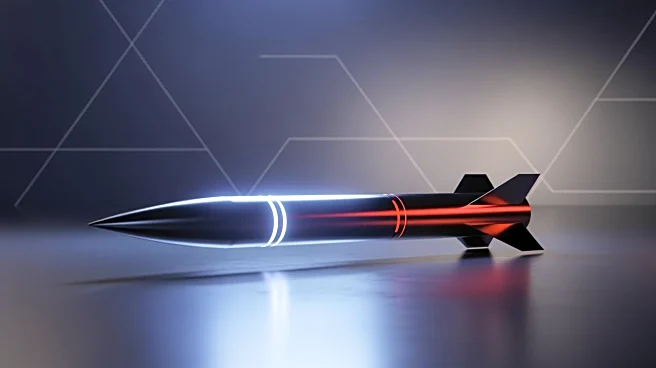
Japan is set to deploy its first batch of domestically developed long-range missiles, with launchers arriving at Camp Kengun in Kumamoto. This move is part of Japan's strategy to enhance its offensive capabilities in response to regional challenges, particularly
from China. The upgraded Type-12 missiles, developed by Mitsubishi Heavy Industries, have a range of approximately 620 miles, significantly extending their reach to mainland China. The deployment has been met with criticism from local residents and officials due to the secretive nature of the operation and concerns about escalating tensions. The missiles are expected to be fully deployed by the end of March, with further deployments planned at Camp Fuji in Shizuoka later this year.
Why It's Important?
The deployment of these long-range missiles marks a significant shift in Japan's defense strategy, reflecting growing concerns over China's military activities in the region, especially around Taiwan. This move could potentially alter the balance of power in East Asia, as Japan seeks to bolster its military capabilities. The decision has sparked local opposition, highlighting the domestic challenges Japan faces in its military expansion. The deployment also underscores Japan's commitment to strengthening its defense posture, which could influence regional security dynamics and prompt responses from neighboring countries.
What's Next?
Japan plans to continue its military buildup, with further deployments of midrange surface-to-air missiles on its southwestern islands. The government is also considering revising its security and defense policies, potentially lifting restrictions on lethal arms exports to enhance its defense industry. These developments could lead to increased military cooperation with allied nations and further integration of advanced military technologies. The regional response, particularly from China, will be closely watched as tensions around Taiwan continue to escalate.
Beyond the Headlines
The deployment of long-range missiles raises ethical and strategic questions about Japan's military role in the region. As Japan moves towards a more assertive defense posture, it must navigate the delicate balance between national security and regional stability. The decision to potentially lift arms export restrictions could also have long-term implications for Japan's defense industry and its relationships with international partners. These developments may signal a shift in Japan's post-World War II pacifist stance, prompting debates about its future military and diplomatic strategies.