






What's Happening?
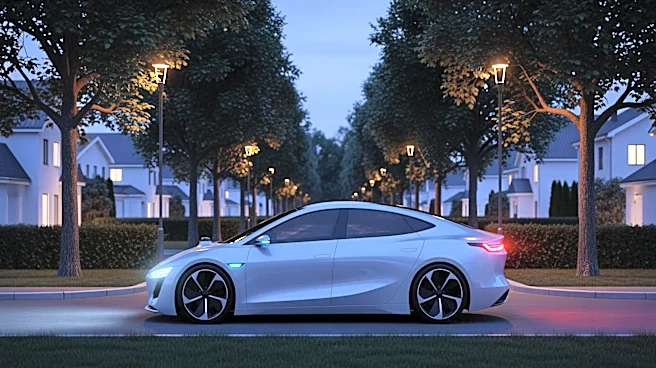
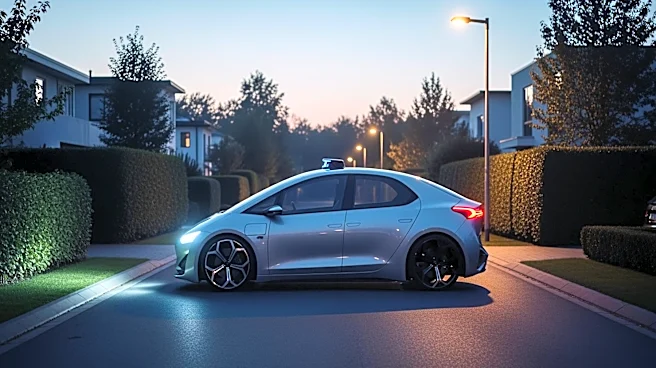
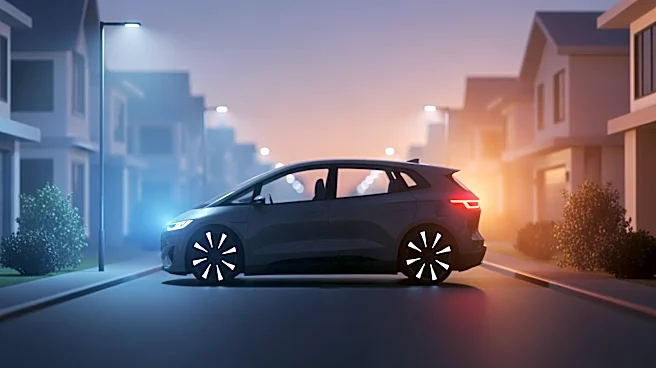
In a scene reminiscent of a science fiction movie, an Atlanta neighborhood has been experiencing an influx of driverless vehicles. Up to 50 Waymo vehicles have reportedly descended upon the Battleview Drive cul-de-sac in the northern part of the city.
Residents have noticed an increase in the number of these autonomous vehicles over the past few weeks. In an effort to deter the vehicles, one resident placed a 'Step2Kid' sign on the street. At one point, eight Waymo vehicles were observed struggling to turn around. Waymo has responded to the situation by stating their commitment to being good neighbors and addressing the routing behavior. The company emphasized that their service, which conducts over 500,000 weekly trips across the country, is designed to significantly reduce traffic injuries and improve road safety.
Why It's Important?
The presence of driverless vehicles in residential areas highlights the growing integration of autonomous technology into everyday life. This development is significant as it underscores the challenges and opportunities associated with the deployment of autonomous vehicles in urban settings. For residents, the sudden influx of driverless cars raises concerns about safety, privacy, and the impact on local traffic patterns. For Waymo and other companies in the autonomous vehicle industry, this situation presents an opportunity to demonstrate the reliability and safety of their technology. Successfully addressing community concerns could pave the way for broader acceptance and integration of autonomous vehicles, potentially transforming urban transportation and reducing traffic-related injuries.
What's Next?
Waymo's response to the community's feedback will be crucial in determining the future of autonomous vehicle deployment in residential areas. The company has stated its commitment to addressing the routing behavior that led to the congestion. Moving forward, Waymo and other autonomous vehicle companies may need to work closely with local governments and communities to establish guidelines and protocols for the safe and efficient operation of driverless vehicles. This could involve adjustments to routing algorithms, increased community engagement, and collaboration with city planners to ensure that autonomous vehicles enhance rather than disrupt local traffic systems.