



What's Happening?
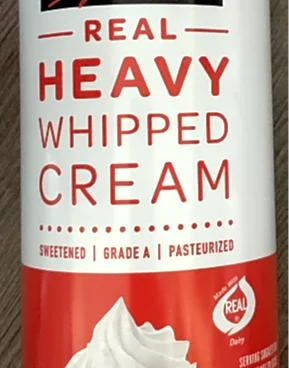
Alamance Foods, Inc. has initiated a voluntary recall of Kirkland Signature Real Heavy Whipped Cream sold at Costco stores across 12 states. The recall was prompted by the potential presence of a cleaning chemical in one batch of the product. Consumers
have reported a chemical smell and taste, though no serious adverse health effects requiring medical attention have been reported. The affected products were sold between October 11 and October 31, 2026, in Alabama, Florida, Georgia, Iowa, Illinois, Indiana, Missouri, Mississippi, North Carolina, South Carolina, Tennessee, and Wisconsin. The recalled whipped cream was sold in three-packs of 15-ounce cans, with an item code of AC50 and a 'best if used by' date of April 2, 2027. Specific timestamps on the affected cans range from 00:35 to 02:45. Customers who purchased the recalled product are advised to discontinue use and return it to any Costco store for a full refund.
Why It's Important?
This recall highlights critical issues in food safety and supply chain integrity, particularly for widely distributed products under private labels like Costco's Kirkland Signature. The presence of a cleaning chemical in a food product, even in small amounts, poses a direct health risk to consumers and can severely damage brand trust. For Costco, a brand known for its quality and value, such an incident can lead to significant reputational damage and potential financial losses from returns and decreased sales of related products. For Alamance Foods, Inc., the manufacturer, this recall underscores the importance of stringent quality control and manufacturing process oversight to prevent contamination. The incident also serves as a reminder for consumers to stay vigilant about product recalls and to follow safety advisories from manufacturers and retailers, especially concerning food items that are frequently consumed.
What's Next?
Alamance Foods, Inc. and Costco are expected to continue investigating the root cause of the contamination to prevent future occurrences. This may involve reviewing their manufacturing processes, cleaning protocols, and quality assurance checks. Consumers who purchased the affected whipped cream should return it to Costco for a full refund. It is also possible that regulatory bodies, such as the Food and Drug Administration (FDA), may initiate their own investigations into the incident to ensure compliance with food safety standards. The companies will likely monitor for any further reports of adverse effects from consumers. This event may also prompt other food manufacturers and retailers to review their own safety protocols to mitigate similar risks.
Beyond the Headlines
The incident with the Kirkland Signature whipped cream points to broader challenges in maintaining food safety within complex supply chains. The reliance on third-party manufacturers for private label brands means that retailers like Costco must have robust oversight mechanisms in place to ensure their partners adhere to strict quality and safety standards. This recall could trigger a re-evaluation of supplier auditing processes and contractual obligations regarding product safety. Furthermore, the quick identification and public announcement of the recall, while crucial for consumer safety, also reflects the increasing transparency demanded by consumers and regulatory bodies. The incident also subtly highlights the potential for human error or equipment malfunction in automated food processing environments, emphasizing the need for continuous technological advancements and human vigilance in food production.