


What's Happening?
France is actively promoting its diverse regions beyond Paris to international travelers, aiming to broaden its global appeal. This strategic shift highlights various experiences such as wine tourism in Bordeaux and Burgundy, coastal escapes along the
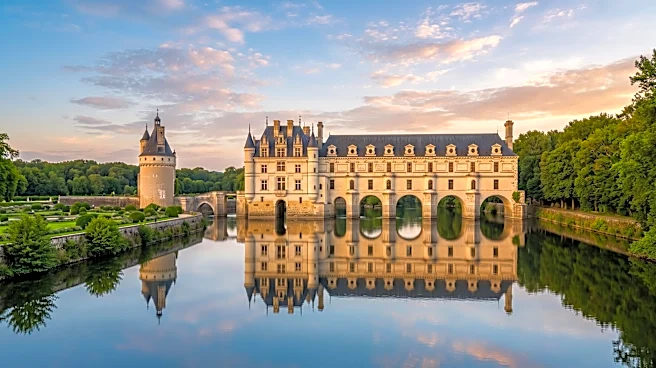
French Riviera and in Normandy, heritage travel in the Loire Valley and Alsace, nature adventures in the French Alps, and gastronomy in Lyon and Provence. The initiative seeks to showcase France's rich cultural identity, including medieval towns, UNESCO-listed sites, renowned vineyards, and natural landscapes. Modern travelers are increasingly seeking authentic journeys that incorporate local culture, cuisine, nature, and a slower pace of exploration, leading to a growing interest in these regional destinations. This approach helps distribute visitor activity across the country, supporting local communities, small businesses, and cultural preservation efforts.
Why It's Important?
This strategic pivot in France's tourism sector holds significant importance for its economy and cultural preservation. By diversifying tourist destinations beyond the capital, France aims to alleviate over-tourism pressures on Paris while simultaneously boosting economic activity in less-visited regions. This benefits local businesses, creates employment opportunities, and fosters sustainable tourism practices. For U.S. travelers, this means a wider array of unique and immersive experiences, moving beyond conventional Parisian itineraries to explore the country's varied landscapes, historical sites, and culinary traditions. The emphasis on 'slow travel' and cultural immersion aligns with evolving traveler preferences, potentially attracting a broader demographic seeking more profound and authentic engagement with French culture. This shift also contributes to the long-term sustainability of France's tourism industry by ensuring a more equitable distribution of economic benefits and preserving the unique character of its regional identities.
What's Next?
France's tourism promotion will continue to leverage digital platforms and destination campaigns to introduce travelers to its lesser-known regions. The focus will be on presenting France as a collection of unique destinations rather than solely a single-city experience. Future growth areas include rural tourism, eco-friendly travel, heritage conservation, gastronomic tourism, and outdoor adventures, encouraging longer regional stays. This sustained effort is expected to strengthen tourism opportunities across the entire country and offer visitors more diverse reasons to return. Major cultural events, such as those linked to Claude Monet's legacy in Normandy, will be highlighted to attract international visitors. The ongoing development of infrastructure and services in these regions will also be crucial to accommodate the anticipated increase in tourist traffic and ensure a high-quality visitor experience.
Beyond the Headlines
The shift towards regional tourism in France reflects a deeper global trend in travel, where authenticity, sustainability, and cultural immersion are becoming paramount. This move could inspire other countries with dominant capital cities to explore similar strategies, fostering a more balanced and sustainable global tourism landscape. Ethically, it promotes a more respectful engagement with local cultures and environments, moving away from the 'checklist' approach to travel. Culturally, it ensures the preservation and celebration of diverse regional identities, preventing them from being overshadowed by a single national narrative. Economically, it empowers local communities and small businesses, contributing to a more equitable distribution of tourism-generated wealth. This long-term vision for tourism could redefine how international travel is perceived and experienced, emphasizing depth and connection over superficial sightseeing.