
What's Happening?
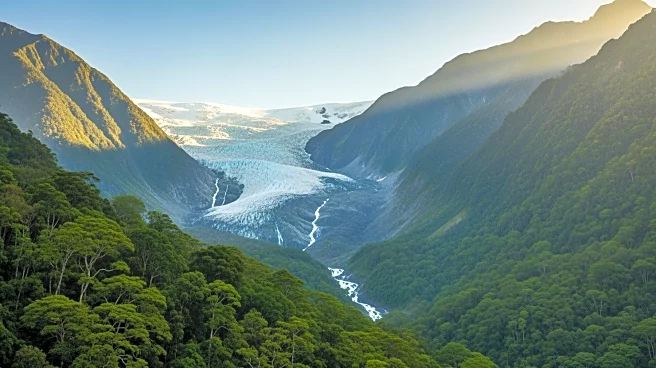
The retreat of Andean glaciers, which have reached their lowest levels in over 11,700 years, poses a significant threat to the Amazon's water cycle and local communities. The glaciers, crucial for sustaining
the Amazon Basin, are melting rapidly due to climate change, leading to erratic rainfall patterns and increased temperatures. This has disrupted the agricultural calendar in the Andes, affecting communities dependent on agriculture and livestock. The melting glaciers also expose rocks that produce acidic runoff, contaminating water sources. Additionally, black carbon from Amazon fires is accelerating glacial melt, further impacting water quality.
Why It's Important?
The decline of Andean glaciers has far-reaching consequences for both local and global ecosystems. The disruption of the Amazon's water cycle could lead to reduced rainfall, affecting biodiversity and agriculture in the region. Contaminated water sources pose health risks to local populations and threaten food security. The situation highlights the vulnerability of indigenous and rural communities to climate change, as they often lack resources to adapt. The environmental degradation also underscores the need for sustainable practices and policies to mitigate climate impacts and protect vital ecosystems.
What's Next?
Efforts to address the crisis include reviving ancestral agricultural practices and restoring natural landscapes. Local communities, NGOs, and governments are collaborating to reintroduce native plants, repair irrigation systems, and build infrastructure to manage water resources. These initiatives aim to enhance resilience against climate change and preserve cultural heritage. However, continued advocacy and support from national and international bodies are crucial to ensure the success of these efforts and to implement broader climate policies that address the root causes of glacial retreat.
Beyond the Headlines
The situation in the Andes reflects broader issues of environmental justice and inequality. The legacy of colonial exploitation and modern mining practices contribute to ongoing social and environmental challenges. Empowering local communities through education and resources is essential for sustainable development. The cultural significance of the Andes and Amazon for indigenous peoples highlights the importance of integrating traditional knowledge into climate adaptation strategies.