




What's Happening?
Representative Kevin Mullin (CA-15) has introduced the Reliable Emergency Alert Delivery Integrity (READI) Act to enhance the nation's Wireless Emergency Alert (WEA) system. This legislative action comes as forecasters predict a historic 'Super' El Niño,
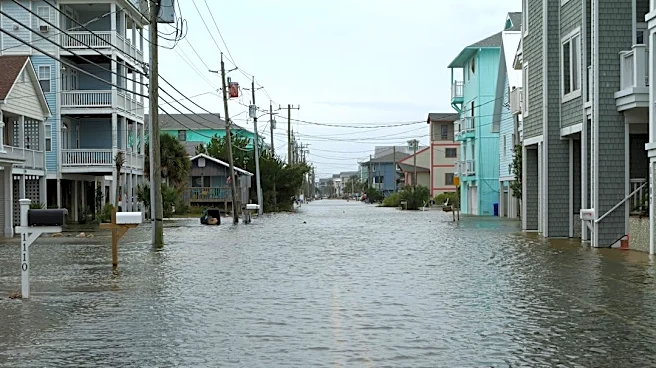
which is expected to bring severe weather and significant flood risks, particularly to California's Bay Area. The bill aims to address critical flaws identified in the current WEA system, such as those exposed during the Los Angeles wildfires, where an evacuation warning intended for a small area was inadvertently sent to 10 million residents, causing widespread traffic congestion and hindering first responders. The READI Act would direct the Federal Communications Commission (FCC) to establish performance metrics for WEA, including speed, coverage, and geographic targeting. It also mandates the FCC to assess enhanced capabilities like more precise geotargeting, longer alert messages, multilingual alerts, and improved device compatibility. Furthermore, the bill requires a study into advanced translation technologies for multilingual alerts and obliges wireless providers to better label emergency alerts and warn users before they opt out.
Why It's Important?
The proposed READI Act is crucial for improving public safety and emergency response across the United States, especially in the face of increasing extreme weather events. Failures in the current WEA system, such as inaccurate targeting or delayed delivery, can erode public trust and put lives at risk. Millions of Americans, particularly those with limited English proficiency, are vulnerable when alerts are only sent in English. By establishing clear performance metrics and exploring multilingual capabilities, the bill seeks to ensure that critical warnings reach the right people at the right time, regardless of language barriers. This initiative could significantly reduce casualties and property damage during natural disasters by enabling more effective and timely evacuations and responses. The legislation also highlights the broader need for federal support and improved infrastructure to cope with the escalating challenges posed by climate-related events, impacting communities and emergency services nationwide.
What's Next?
The READI Act will now proceed through the legislative process in Congress. If passed, the FCC would be tasked with implementing the bill's directives, including establishing new performance metrics for the WEA system and conducting studies on enhanced capabilities like precise geotargeting and multilingual alerts. Wireless providers would also need to adjust their practices regarding emergency alert labeling and user opt-out warnings. The successful implementation of this act could lead to a more robust and reliable emergency alert system, potentially influencing how other federal agencies and local governments prepare for and respond to future natural disasters. Rep. Mullin has also introduced other related bills, such as the Resilient Emergency Alert Communications and Training (REACT) Act, indicating a broader legislative push to improve emergency preparedness and response capabilities across the country.
Beyond the Headlines
The introduction of the READI Act underscores a growing recognition of the critical role technology plays in disaster preparedness and the need for its continuous improvement. Beyond the immediate goal of enhancing emergency alerts, this legislation touches upon deeper issues of equitable access to vital information, particularly for non-English speaking communities. The emphasis on multilingual alerts and advanced translation technologies highlights a move towards more inclusive public safety measures. Furthermore, the bill's focus on performance metrics and accountability for the WEA system reflects a broader trend towards data-driven governance and the demand for measurable effectiveness in public services. This legislative effort could set a precedent for how federal agencies collaborate with technology providers to safeguard citizens in an era of increasingly unpredictable environmental challenges, potentially influencing future policy on digital infrastructure and public communication during crises.