
What's Happening?
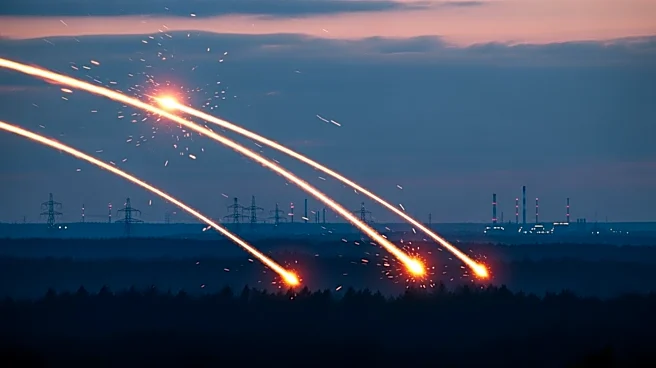
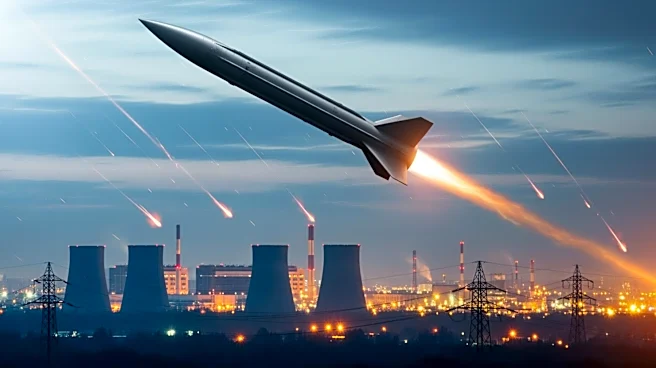
Ukraine has conducted a series of long-range strikes deep into Russian territory, targeting key military and energy infrastructure. President Volodymyr Zelensky confirmed the use of FP-5 Flamingo missiles
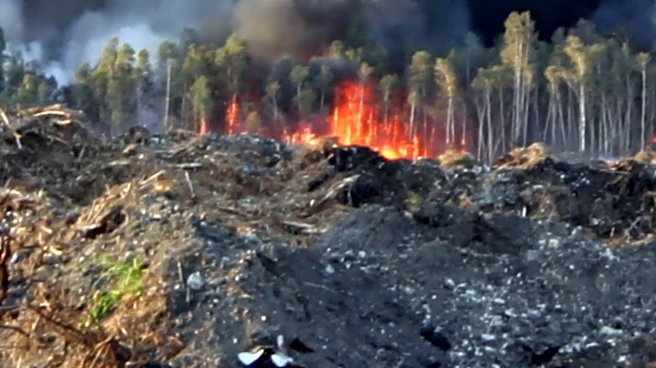
in these operations. The strikes hit the VNIIR-Progress plant in Cheboksary, which is involved in producing components for Russian drones and missiles, and the Kuibyshev oil refinery in Samara, a significant fuel-processing facility. Moscow reported that its air defenses intercepted 326 Ukrainian drones across 20 regions, marking one of the largest coordinated aerial assaults of the ongoing conflict. The full scale of the attack remains difficult to verify independently.
Why It's Important?
These strikes represent a significant escalation in the conflict between Ukraine and Russia, highlighting Ukraine's capability to target critical infrastructure deep within Russian territory. The attacks on the VNIIR-Progress plant and the Kuibyshev oil refinery are part of Ukraine's strategy to disrupt Russia's military production and energy sector, which are vital to its war efforts. This development could lead to increased tensions and potential retaliatory actions from Russia, impacting regional stability and international relations. The strikes also demonstrate Ukraine's continued reliance on advanced missile technology to counter Russian military capabilities.
What's Next?
The immediate consequences of these strikes could include heightened military responses from Russia, potentially leading to further escalation in the conflict. International stakeholders, including NATO and the European Union, may need to reassess their strategies and support for Ukraine in light of these developments. Diplomatic efforts to de-escalate the situation might intensify, with potential calls for renewed peace talks. The global community will likely monitor the situation closely, considering the broader implications for regional security and energy markets.