





What's Happening?
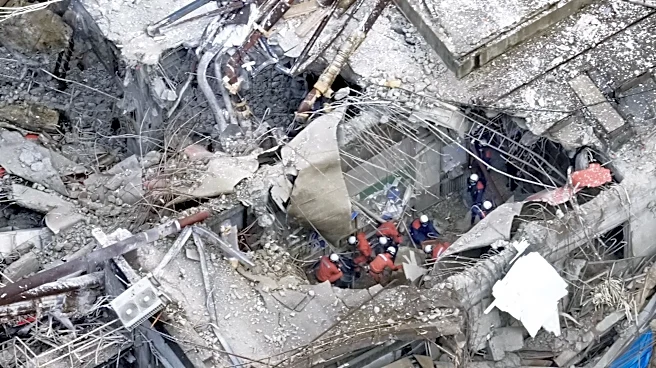
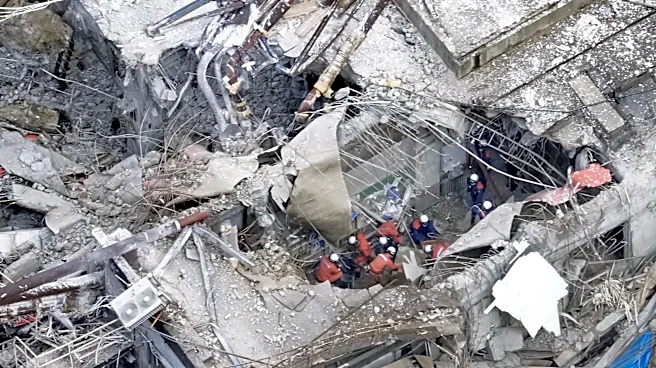
A magnitude 7.1 earthquake struck Kumamoto Prefecture in southwestern Japan, resulting in over 30 fatalities and significant disruptions to essential services. The disaster has left thousands of evacuees without electricity and water, as rescue workers
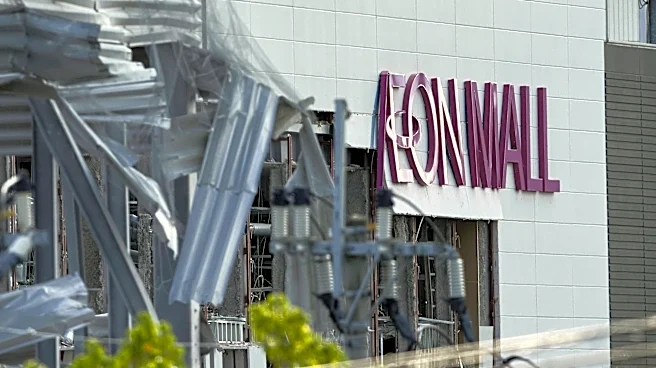
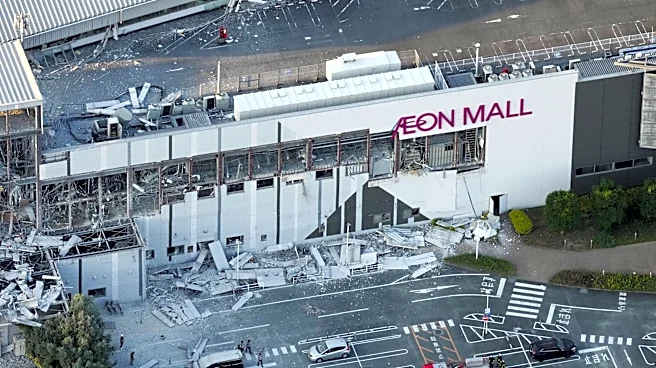
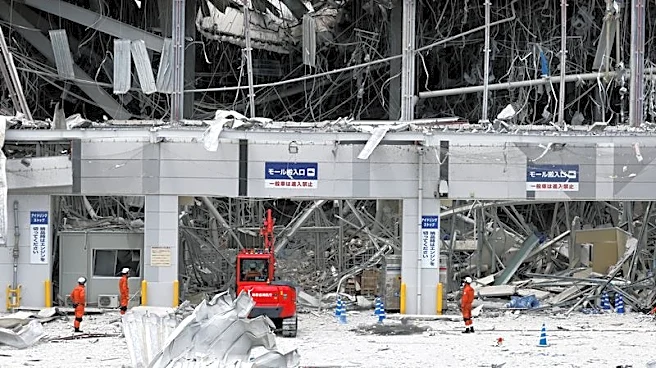
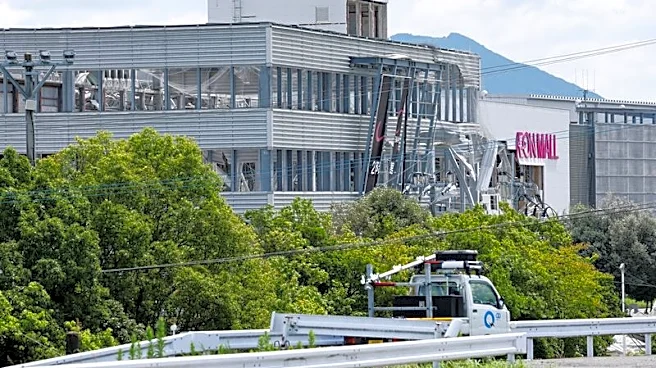
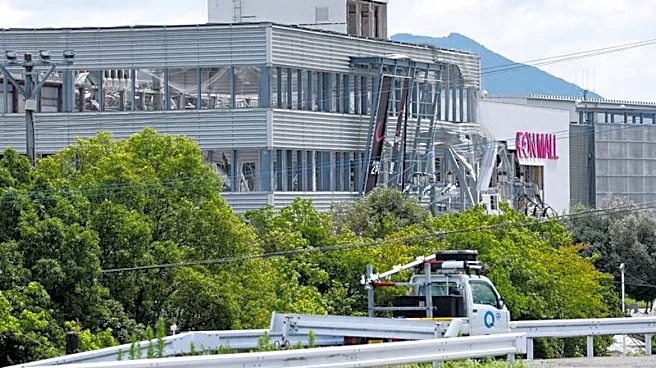
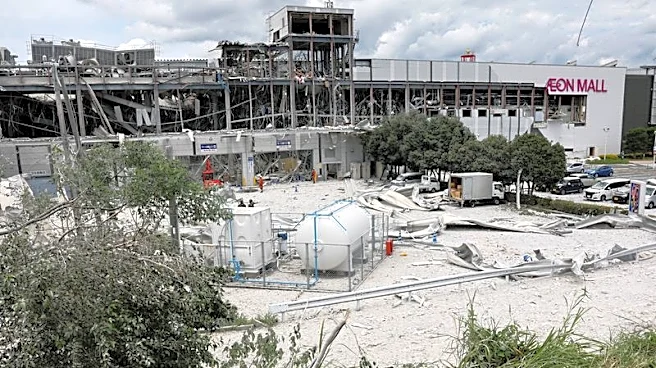
race against time within the critical 72-hour window. The quake severely damaged infrastructure, including a Nippon Paper Industries plant and an Aeon shopping mall, where explosions occurred. The prefectural government reported a total of 34 deaths, with additional casualties linked to the quake.
Why It's Important?
The earthquake highlights the vulnerability of regions prone to seismic activity and the challenges in disaster response and recovery. The disruption of services and infrastructure impacts local communities and businesses, including major industries such as automotive and semiconductor manufacturing. The event underscores the need for robust emergency preparedness and infrastructure resilience to mitigate the effects of natural disasters. The response efforts and support from government agencies are crucial in addressing immediate needs and facilitating long-term recovery.
What's Next?
Efforts to restore electricity and water services are underway, with companies like Kyushu Electric Power aiming for quick recovery. The government is expected to provide additional support and resources to aid affected communities. Prime Minister Sanae Takaichi may visit Kumamoto to assess the situation and ensure timely delivery of supplies. The disaster's impact on local industries, including chip manufacturing, may lead to temporary production halts and supply chain adjustments.