





What's Happening?
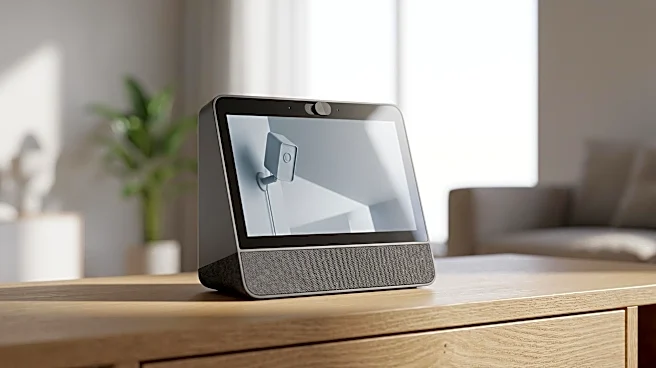
The Amazon Echo Show 8 (3rd Gen) is positioned as a well-balanced smart display, featuring an 8-inch touchscreen, spatial-audio speakers, and a camera with a physical privacy shutter. It functions as a comprehensive smart-home hub, incorporating Zigbee,
Thread border router, and Matter bridge capabilities, allowing for instant device recognition and voice-activated display of camera feeds from Ring, Blink, and Arlo. Users praise its sound quality, responsive screen, and snappy processor, which addresses the sluggishness observed in smaller models. Setup is described as effortless, with the device automatically recognizing users and joining networks. However, the device is experiencing software-related frustrations, particularly with the forced transition to Amazon's new Alexa+ app. This update has reportedly degraded multi-room speaker groups, camera display functionality, and music-app preferences for some users, leading to instability in whole-home audio setups. Additionally, setting up automatic camera pop-ups on motion is noted as a complicated process.
Why It's Important?
The performance and user experience of the Amazon Echo Show 8 (3rd Gen) are significant for the smart home market and Amazon's ecosystem. Its advanced smart-home hub capabilities, including Zigbee, Thread, and Matter integration, aim to simplify device management and enhance interoperability, potentially driving broader adoption of smart home technologies. The device's strong audio and visual features could set a new standard for smart displays, influencing consumer expectations and competitive product development. However, the reported software issues with the Alexa+ app highlight a critical challenge in maintaining user satisfaction during platform transitions. These problems could erode consumer trust in Amazon's smart home offerings and impact sales, especially for users prioritizing reliable multi-room audio or seamless camera integration. The situation also underscores the importance of robust software development and user-friendly updates in the rapidly evolving smart home industry, where seamless functionality is key to user retention and market growth.
What's Next?
Amazon will likely need to address the software issues reported with the Alexa+ app to restore user confidence and ensure the Echo Show 8 (3rd Gen) lives up to its potential. This could involve releasing further software updates to stabilize multi-room speaker groups, improve camera display functionality, and refine music-app preferences. The company may also need to provide clearer documentation or simplified processes for advanced features like motion-triggered camera views. User feedback will be crucial in guiding these improvements. For consumers, potential buyers might consider waiting for these software refinements or carefully evaluating their specific use cases, especially if reliable whole-home audio or effortless motion-triggered camera views are primary requirements. The ongoing development of the Alexa+ platform will determine whether these initial frustrations are temporary glitches or indicative of deeper challenges in Amazon's smart home strategy.
Beyond the Headlines
The challenges faced by the Amazon Echo Show 8 (3rd Gen) with its Alexa+ app rollout point to a broader industry trend where the complexity of integrated smart home ecosystems often outpaces the reliability of their software. As smart devices become more interconnected and reliant on cloud-based services, the quality of the underlying software platform becomes paramount. This situation highlights the ethical implications of 'forced upgrades' that can degrade existing user experiences, potentially turning early adopters into involuntary beta testers. It also raises questions about data privacy and user control, as the device's idle screen can reveal Amazon search history, even with settings to mitigate this. The ongoing struggle to deliver seamless multi-room audio and intuitive smart home automation, despite advanced hardware, suggests that the 'smart' aspect of these devices is still heavily dependent on robust and user-centric software design, a critical factor for long-term consumer adoption and trust in the smart home market.