




What's Happening?
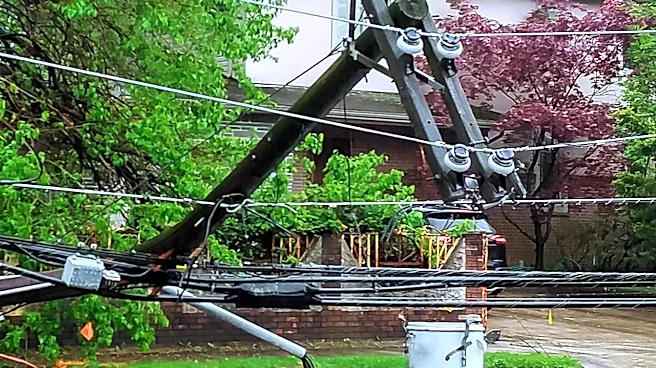
A power outage impacted nearly 9,000 PG&E customers in San Luis Obispo County, California, on Tuesday evening. The outage, which began around 5:35 p.m., affected customers outside of Paso Robles. PG&E described the incident as an "unplanned outage," stating
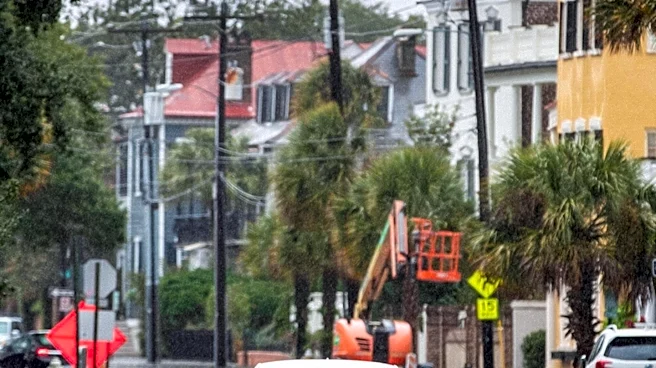
that their crew shut off power to safely perform an urgent repair. The utility company anticipated that power would be restored by 8 p.m. This event highlights the vulnerability of local power grids to unexpected issues requiring immediate maintenance.
Why It's Important?
This power outage is significant for the affected residents and businesses in San Luis Obispo County, as it disrupts daily activities and can lead to economic losses for commercial establishments. For PG&E, such incidents underscore the ongoing challenges of maintaining an aging infrastructure and ensuring reliable service. The need for urgent repairs suggests potential underlying issues within the power distribution network, which could have broader implications for energy reliability across California. Frequent or widespread outages can erode public trust in utility providers and prompt calls for increased investment in grid modernization and resilience, impacting regulatory oversight and operational strategies for energy companies nationwide.
What's Next?
PG&E crews are expected to continue monitoring and addressing the cause of the outage to prevent future occurrences. The company will likely conduct an assessment to understand the specific nature of the urgent repair needed and evaluate its infrastructure in the affected area. For residents, the immediate next step is the restoration of power, followed by a return to normal operations. Local authorities may also review the incident to ensure emergency response protocols were effective. This event could contribute to ongoing discussions about energy infrastructure improvements and emergency preparedness within California.
Beyond the Headlines
The incident in San Luis Obispo County reflects a broader national concern regarding the resilience and modernization of utility infrastructure. As extreme weather events become more frequent and the demand for electricity grows, the capacity of existing grids to handle both routine maintenance and unexpected disruptions is increasingly tested. This outage, while localized, points to the critical need for continuous investment in smart grid technologies, undergrounding power lines, and developing more robust emergency response systems. The economic and social costs of even short-duration outages can be substantial, prompting a reevaluation of how utilities are regulated and incentivized to ensure consistent and reliable power delivery across the U.S.