





What's Happening?
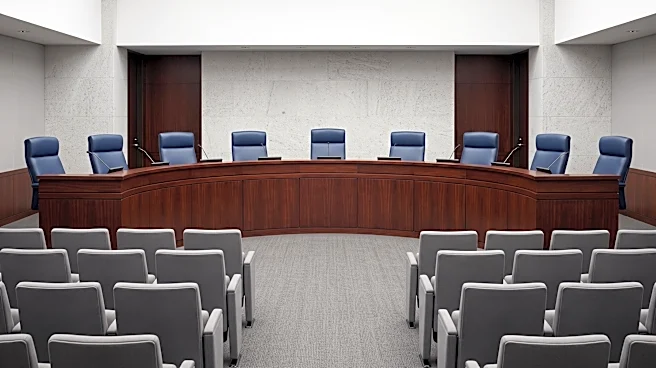
The Troy City Council is scheduled to vote on Thursday night on a new law designed to align its local emergency declarations with existing state law. This legislative action follows a previous incident in April where Mayor Carmella Mantello declared an emergency,
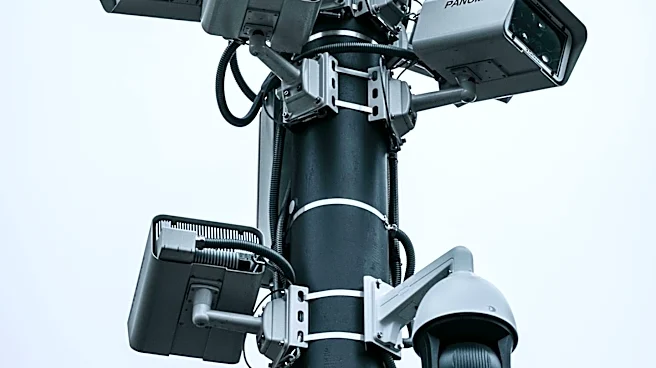
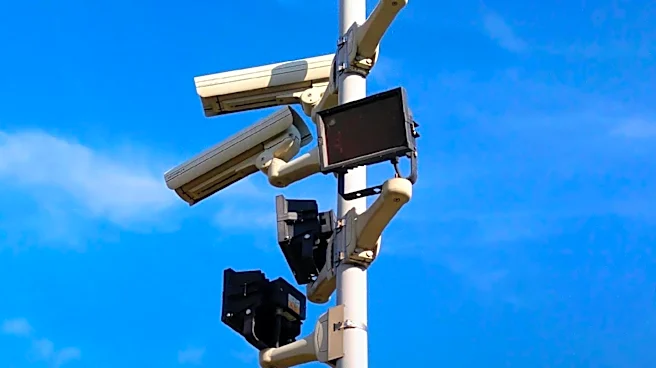
bypassing the council's decision to stop payments for Flock license plate readers. The council subsequently initiated hearings to investigate the matter, and a study into the collection, usage, and retention of data from these readers has been ongoing since then. The proposed legislation is anticipated to receive unanimous approval from the council members. The meeting where this vote will take place is set for 7 p.m. and will also be accessible for public viewing via YouTube.
Why It's Important?
This vote by the Troy City Council is significant for local governance and the balance of power between a city's executive and legislative branches. By aligning local emergency declarations with state law, the council aims to establish clearer guidelines and potentially prevent future instances where a mayor might unilaterally declare an emergency, circumventing council oversight. This move could enhance transparency and accountability in how emergency powers are exercised at the municipal level, ensuring that such declarations are made within a defined legal framework. For residents, it means a more structured approach to emergency management, potentially leading to greater public trust in local government decisions, especially concerning sensitive issues like data collection through technologies such as license plate readers. The outcome will set a precedent for how emergency powers are managed in Troy and could influence similar discussions in other municipalities.
What's Next?
Following the anticipated unanimous passage of the legislation, the Troy City Council will have formally aligned its local emergency declaration procedures with state law. This will establish a new operational framework for how future emergencies are declared and managed within the city. The ongoing study into the data collection, usage, and retention practices related to Flock license plate readers is expected to continue, and its findings could lead to further policy adjustments or regulations regarding surveillance technology. The council's actions will likely be closely watched by other municipalities considering similar reforms to their emergency declaration processes. The public will be able to observe these developments, particularly through the continued streaming of council meetings on YouTube, ensuring ongoing transparency.
Beyond the Headlines
The Troy City Council's initiative to standardize emergency declarations delves into the fundamental principles of checks and balances within local government. The prior incident involving Mayor Mantello's emergency declaration highlighted a potential vulnerability where executive power could override legislative decisions, particularly concerning financial allocations and the implementation of new technologies like license plate readers. This legislative response is not merely about procedural alignment; it reflects a broader effort to safeguard democratic processes and ensure that significant decisions, even in times of crisis, are subject to appropriate oversight. The ongoing debate around data privacy and surveillance technologies, exemplified by the Flock license plate readers, adds another layer of complexity, underscoring the ethical and legal implications of governmental actions and the importance of clear, legally sound frameworks for their deployment.