








What's Happening?
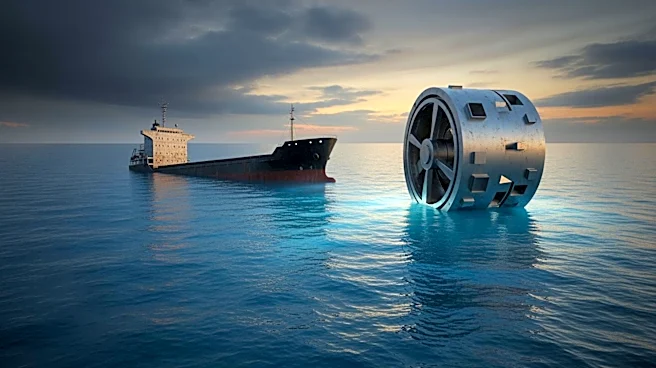
A Russian cargo ship, Ursa Major, sank in the Mediterranean Sea between Spain and Algeria in December 2024, carrying components for two submarine nuclear reactors likely destined for North Korea. The ship sank following explosions in its engine room,
with 16 crew members on board. Fourteen were rescued, while two remain missing and are presumed dead. Spanish investigators suspect the vessel may have been deliberately sunk by a Western military using a supercavitating torpedo to prevent the delivery of advanced nuclear technology to North Korea. The ship's Russian captain revealed that the cargo, declared as 'non-dangerous merchandise,' was actually components for nuclear reactors intended for North Korea. The ship was operated by Oboronlogistika, a company owned by the Russian Ministry of Defence, and had been under US and UK sanctions since Russia's invasion of Ukraine in 2022.
Why It's Important?
The incident highlights the ongoing geopolitical tensions involving Russia, North Korea, and Western nations. The potential transfer of nuclear technology to North Korea is significant due to the country's ambitions to develop nuclear-powered submarines, which could alter the balance of power in the region. The involvement of a Western military in sinking the ship suggests a proactive stance to prevent the proliferation of nuclear technology. This event underscores the complexities of international sanctions and the lengths to which countries might go to enforce them. The situation also raises concerns about the security of nuclear materials and the potential for escalation in military confrontations.
What's Next?
The investigation into the sinking of the Ursa Major is likely to continue, with potential diplomatic repercussions. Western nations may increase surveillance and enforcement measures to prevent similar incidents. Russia and North Korea's military cooperation could face further scrutiny, potentially leading to additional sanctions or diplomatic actions. The international community may call for transparency and accountability regarding the shipment of nuclear materials. The incident could also prompt discussions on strengthening international regulations and monitoring of nuclear technology transfers.
Beyond the Headlines
The sinking of the Ursa Major raises ethical and legal questions about the use of military force to prevent the transfer of nuclear technology. It also highlights the challenges in enforcing international sanctions and the potential for covert operations to achieve geopolitical objectives. The incident may influence future policies on nuclear non-proliferation and the role of international organizations in monitoring and preventing the spread of nuclear weapons technology. Additionally, the event could impact Russia's relationships with other countries, particularly those involved in the investigation or affected by the potential proliferation of nuclear technology.