


What's Happening?
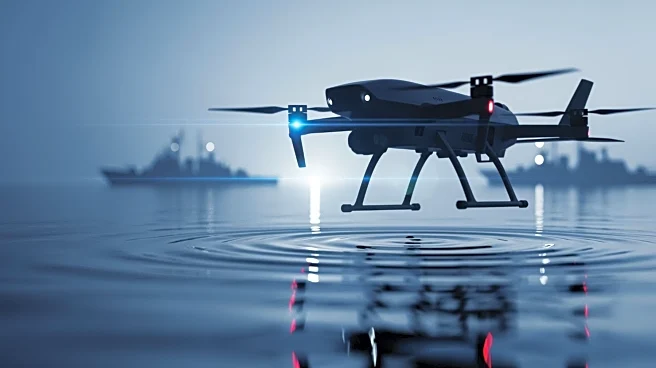
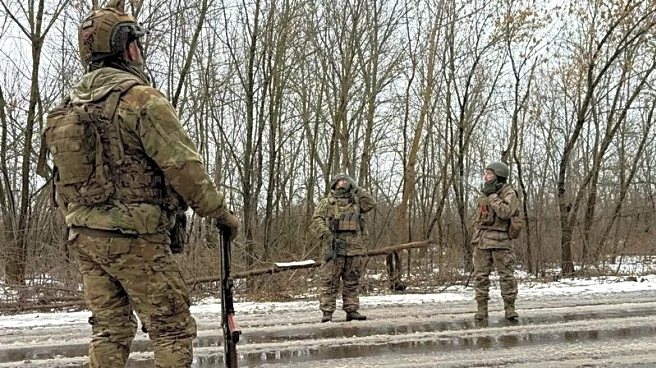
The ongoing conflict in Ukraine has seen a significant shift in military tactics, with small, first-person-view drones now dominating the battlefield. According to Valentyn Bohdanov, a senior sergeant in Ukraine's 127th Separate Heavy Mechanised Kharkiv
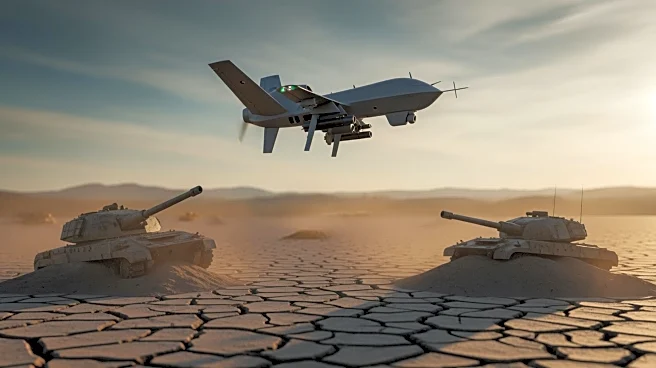
Brigade, these drones have made it extremely risky for armored vehicles to move, effectively sidelining traditional heavy armor like tanks. The drones, which are relatively inexpensive, have transformed the war into an 'air battle of mutual denial,' with drone-inflicted casualties rising dramatically. This shift is part of a broader trend towards rapid technological integration in warfare, including the use of artificial intelligence. Mobile drone-hunting teams have become commonplace, tasked with defending critical supply routes from these aerial threats.
Why It's Important?
The use of drones in the Ukraine conflict highlights a significant evolution in modern warfare, emphasizing speed, innovation, and technological integration. This development has implications for military strategies worldwide, as traditional tactics involving heavy armor become less viable. The increased reliance on drones could lead to changes in military procurement and training, as nations adapt to this new form of combat. The U.S. military, for instance, may need to reconsider its own strategies and equipment in light of these developments. The shift also underscores the growing importance of technological superiority in military conflicts, potentially influencing future defense budgets and research priorities.
What's Next?
As the conflict continues, it is likely that both sides will further integrate drones and other advanced technologies into their military strategies. Ukraine plans to boost its production and procurement of drones, which could lead to further innovations in drone warfare. Western allies of Ukraine may also need to adapt their military support and strategies to account for these changes. The evolving nature of the conflict suggests that traditional military equipment, such as tanks, may need to be re-evaluated or repurposed to remain effective. Additionally, the lessons learned from this conflict could influence military doctrines and strategies globally, as nations prepare for future conflicts that may involve similar technological advancements.
Beyond the Headlines
The shift towards drone warfare raises ethical and legal questions about the use of autonomous weapons in conflict. The ability of drones to conduct operations with minimal human intervention could lead to debates about accountability and the rules of engagement in warfare. Furthermore, the psychological impact on soldiers facing these new threats, as well as the potential for increased civilian casualties, are concerns that may need to be addressed by international bodies. The conflict in Ukraine could serve as a case study for the development of international regulations governing the use of drones and other advanced technologies in warfare.