
What's Happening?
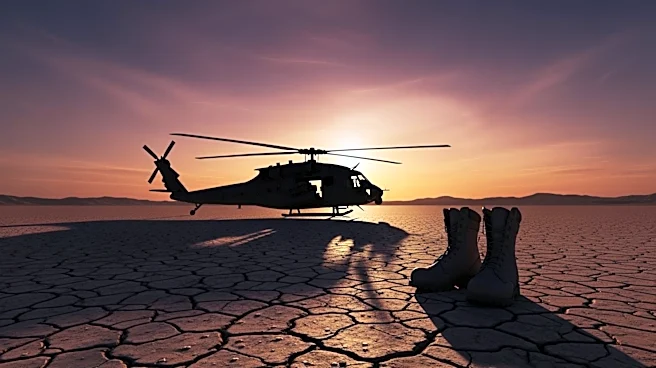
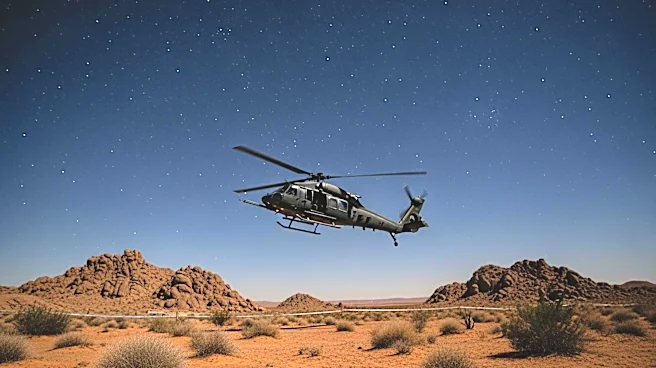
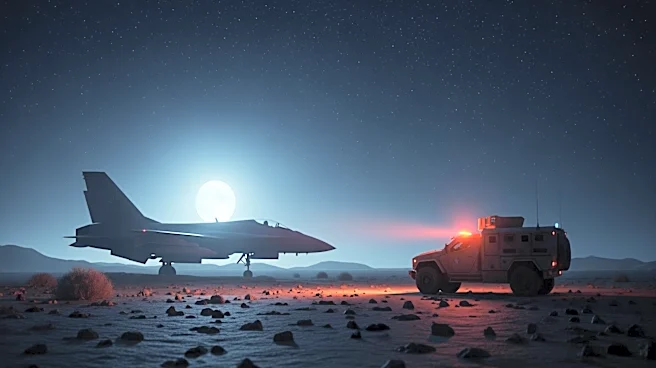
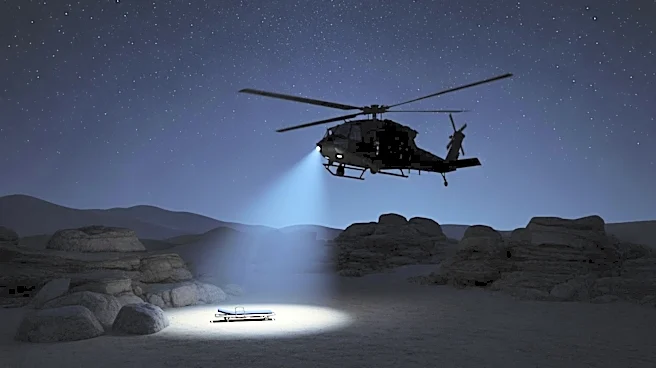
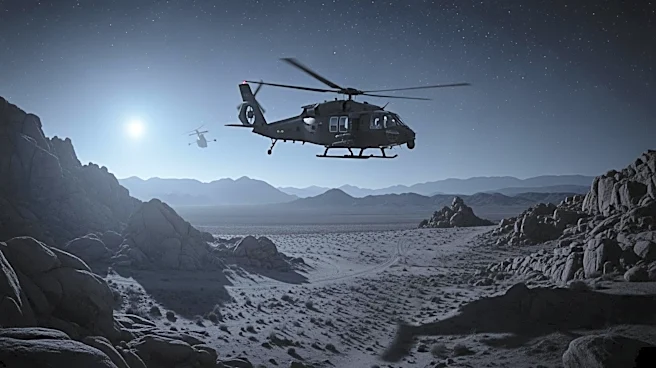
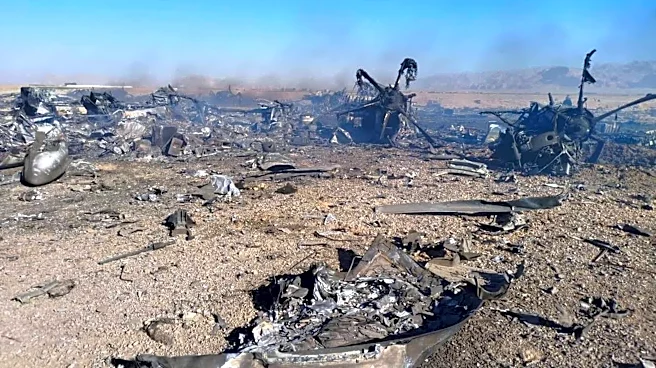
The U.S. military successfully rescued a navigator from a downed F-15E fighter jet in Iran using a sophisticated device known as the Combat Survivor Evader Locator (CSEL). This operation, described as one of the most complex in recent memory, involved
the navigator hiding in hostile territory for two days. The CSEL device, manufactured by Boeing, played a crucial role by transmitting encrypted messages and location data, allowing rescue teams to locate and extract the navigator safely. The device's ability to operate under extreme conditions and avoid detection by enemy systems was pivotal in the operation's success.
Why It's Important?
This rescue operation highlights the advanced capabilities of U.S. military technology in combat search and rescue missions. The CSEL device's effectiveness in hostile environments underscores the importance of technological innovation in military operations. The successful extraction not only demonstrates the U.S. military's operational readiness but also its ability to protect personnel in high-risk situations. This event may influence future military strategies and the development of similar technologies for rescue missions.
What's Next?
The success of this operation could lead to further investment in and development of advanced military communication and rescue technologies. The U.S. military may continue to refine its Combat Search and Rescue (CSAR) doctrine, incorporating lessons learned from this mission. Additionally, there may be increased collaboration with allies to enhance rescue capabilities and share technological advancements. The operation's success could also prompt discussions on the geopolitical implications of U.S. military presence and actions in the region.