







What's Happening?
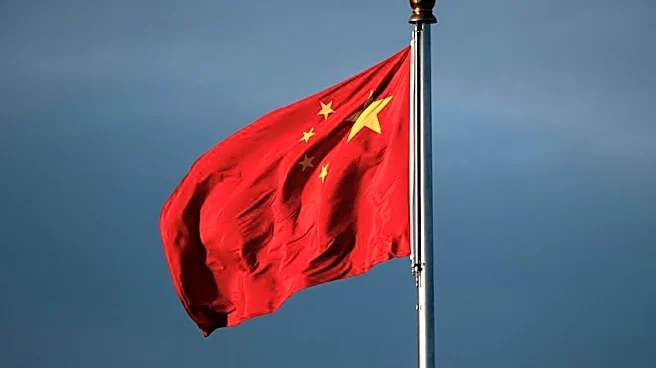
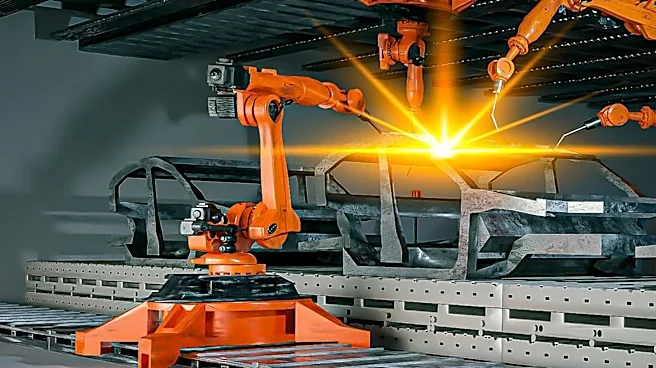
Japan is experiencing a critical shortage of rare earth minerals due to China's export restrictions, which have been in place since November. These minerals are essential for manufacturing a wide range of products, including electric vehicles and electronics.
The shortage is causing concern among Japanese corporations, as evidenced by an increase in corporate filings mentioning rare earths as a risk factor. The Japanese government, under Prime Minister Sanae Takaichi, is seeking alternatives to Chinese exports, including partnerships with the United States and other allies to secure stable supplies.
Why It's Important?
The restriction of rare earth exports by China poses a significant threat to Japan's economy, particularly in sectors reliant on these materials. As rare earths are crucial for the production of high-tech goods, the shortage could disrupt supply chains and impact Japan's economic growth. This situation highlights the geopolitical risks associated with reliance on a single country for critical resources. It also underscores the importance of diversifying supply sources and developing domestic capabilities to mitigate such risks in the future.
What's Next?
Japan is actively seeking to diversify its sources of rare earths through international cooperation and investment in alternative supplies. The government is also exploring recycling projects and the development of deep-sea deposits, although these efforts may take time to yield results. In the short term, Japanese companies may face increased costs and production challenges, which could affect their competitiveness. The situation may also prompt other countries to reassess their reliance on Chinese rare earths and explore similar diversification strategies.