








What's Happening?
Researchers from ETH Zürich, the University of Lyon, and the University of Basel have created an implantable, wirelessly powered electronic device named ECHO (electrocatalytic closed-loop health optimization) to manage obesity and type 2 diabetes, collectively
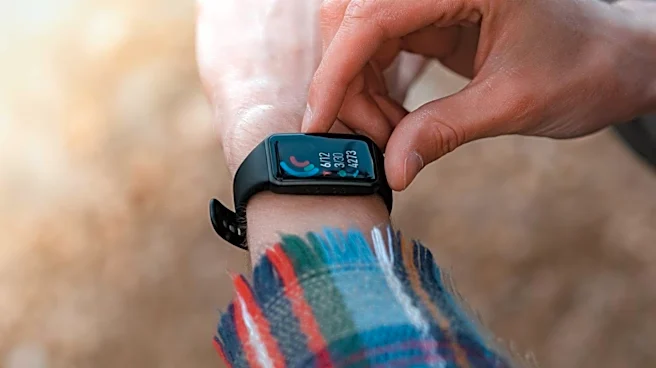
known as 'diabesity.' This device offers a drug-free approach by using electrocatalysis to remove excess glucose from the bloodstream. The ECHO system, tested in a diabesity mouse model, is coupled with a continuous glucose monitor (CGM) via a smartphone. It autonomously activates when glucose levels exceed a predefined threshold, converting circulating glucose into gluconate, which is then excreted. This process rapidly normalizes elevated blood glucose and shifts the body's metabolism towards fat utilization, leading to reduced body weight. The study, published in Science Advances, highlights the potential for dynamically controlled metabolic interventions without lifelong medication or significant side effects.
Why It's Important?
The development of the ECHO device represents a significant advancement in the treatment of 'diabesity,' a global health challenge affecting billions. Current treatments for obesity and type 2 diabetes heavily rely on long-term medications and lifestyle changes, which often come with side effects, require lifelong administration, and may lose effectiveness over time. The ECHO system's drug-free approach could mitigate these issues, offering a more sustainable and less invasive therapeutic option. By providing a closed-loop system that automatically adjusts glucose levels, it could improve patient adherence and reduce the burden of daily disease management. The shift towards fat metabolism also addresses the interconnected nature of obesity and diabetes, potentially leading to more comprehensive health improvements. This technology could reduce healthcare costs associated with chronic medication and complications, benefiting both patients and healthcare systems.
What's Next?
The research team believes that closed-loop electrocatalytic devices like ECHO could establish a platform for regulating various disease-relevant metabolites, paving the way for drug-sparing metabolic interventions. While the initial proof-of-concept study was conducted in mice, the next steps would likely involve further preclinical trials to refine the device's efficacy and safety, followed by human clinical trials. The successful implementation of such a device would require regulatory approvals, which can be a lengthy process. Additionally, the integration of the device with existing healthcare infrastructure, including continuous glucose monitoring and smartphone applications, would need to be streamlined for widespread adoption. The potential for customization and application to other metabolic disorders also suggests a broader impact on future bioelectronic therapies.
Beyond the Headlines
The ECHO device's innovative use of electrocatalysis to manage 'diabesity' highlights a growing trend in medical technology: the development of bioelectronic devices that offer precise, on-demand therapeutic interventions. This approach moves beyond traditional pharmacology by directly influencing physiological processes through electrical or chemical means. The concept of a 'drug-sparing' therapy raises ethical considerations regarding patient autonomy and the potential for over-reliance on technology. However, it also offers a pathway to reduce the systemic side effects often associated with long-term drug use. The ability to wirelessly power and control such implants also points to a future where medical devices are seamlessly integrated into daily life, offering continuous monitoring and personalized treatment. This development could also spur further research into similar electrocatalytic applications for other chronic conditions, potentially revolutionizing how various diseases are managed.