



What's Happening?
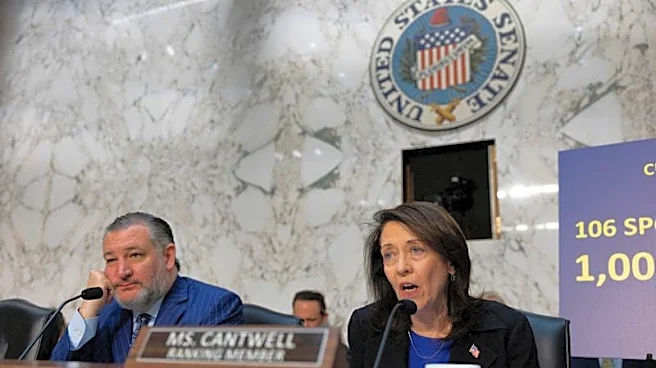
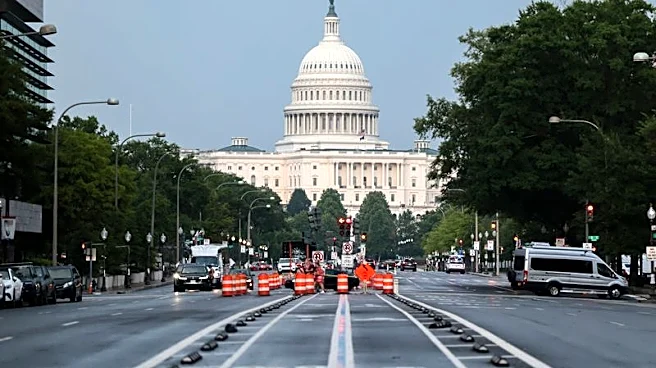
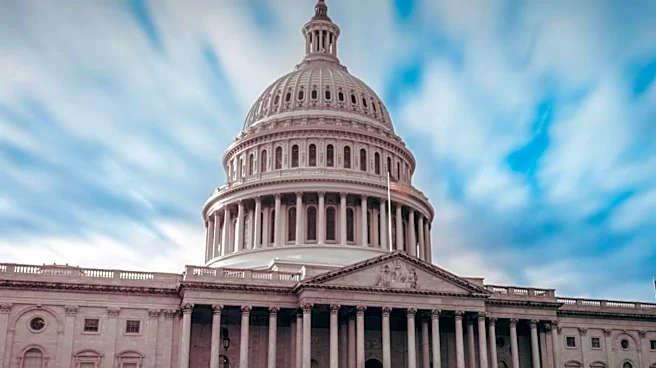
The U.S. House of Representatives has approved a procedural rule for the 'Lindsey O Graham Sanctioning Russia and Iran Act of 2026,' which could impose tariffs of up to 100% on commercial imports from countries that are top buyers of Russian crude oil.
This legislation, which previously passed the U.S. Senate with an 86-11 bipartisan majority, is expected to proceed to a final vote in the House. India is explicitly named as one of the top five international buyers of Russian crude, placing it directly in Washington's crosshairs. The bill mandates the Executive Branch, through the Office of the United States Trade Representative (USTR), to impose these supplemental ad valorem customs duties. These duties would be stacked on top of existing tariffs and other levies. The USTR retains discretion to adjust tariff rates from 0% to 100% if a targeted nation demonstrates significant steps to reduce commercial ties with Russian energy producers. Additionally, the President has waiver flexibility under Section 115(a) to suspend or postpone tariff enforcement based on national security grounds or diplomatic determinations.
Why It's Important?
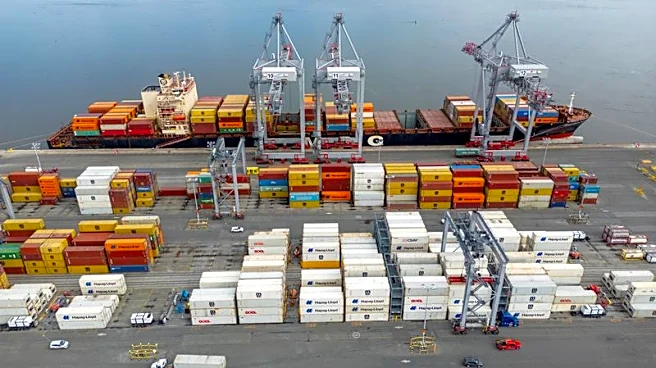
This legislative action represents a significant escalation in U.S. economic statecraft, directly impacting global energy markets and international trade relations. For India, a major importer of Russian oil, the potential 100% tariff threat creates a severe policy dilemma. If India continues its current intake of discounted Russian crude, its substantial merchandise exports to the U.S., valued at over $80 billion annually, could face crippling customs penalties. This would jeopardize critical Indian export sectors such as IT services, pharmaceuticals, garment manufacturing, and automotive components, potentially pricing them out of their largest and most lucrative overseas market. Conversely, if India reduces or halts Russian oil purchases to avoid tariffs, it would be forced to procure crude from traditional suppliers at higher prices, especially given current global oil market volatility exacerbated by events like the Saudi pipeline attack. This shift would significantly increase India's import bill, widen its Current Account Deficit, and put downward pressure on the Indian Rupee, leading to domestic inflation and balance sheet strain for state-owned oil marketing companies.
What's Next?
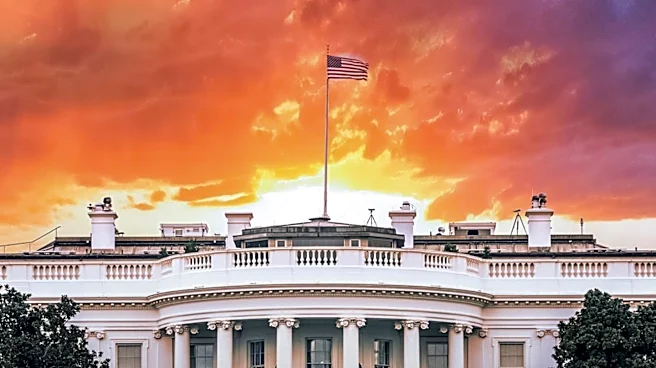
The bill is anticipated to proceed to a final vote in the U.S. House of Representatives. If passed and signed into law by the White House, India will face immediate pressure to either comply with the U.S. sanctions or face severe economic repercussions. Indian diplomats in Washington are expected to intensify efforts to secure targeted national security waivers or a phased compliance timetable from the White House, emphasizing India's role in stabilizing global energy markets by absorbing Russian crude. Domestically, India may explore rebalancing its crude procurement towards other suppliers like ADNOC, KPC, and SOMO, and increasing spot purchases of U.S. West Texas Intermediate (WTI) and other grades to demonstrate diversification. The country may also leverage its Strategic Petroleum Reserves to absorb short-term supply shocks and manage diplomatic pressures. The outcome will significantly influence U.S.-India trade relations and global energy dynamics.
Beyond the Headlines
The U.S. legislative move highlights a broader trend of weaponizing economic tools to achieve geopolitical objectives, particularly in response to international conflicts. This approach forces nations like India to navigate a complex geopolitical landscape, balancing economic interests with diplomatic pressures. The potential tariffs could lead to a re-evaluation of global supply chains and trade partnerships, as countries seek to mitigate risks associated with such unilateral economic actions. Furthermore, the emphasis on 'significant steps' for compliance introduces a subjective element, potentially leading to ongoing negotiations and diplomatic maneuvering. This situation also underscores the interconnectedness of energy security, national economic stability, and international relations, demonstrating how actions in one sphere can trigger cascading effects across multiple global sectors. The long-term implications could include a fragmentation of global trade blocs and a shift towards more localized or diversified economic alliances.