
What's Happening?
Residents of Juneau, Alaska, have voiced significant concerns regarding overtourism to the Visitor Industry Task Force (VITF). During public testimony, many residents highlighted a diminished quality of life
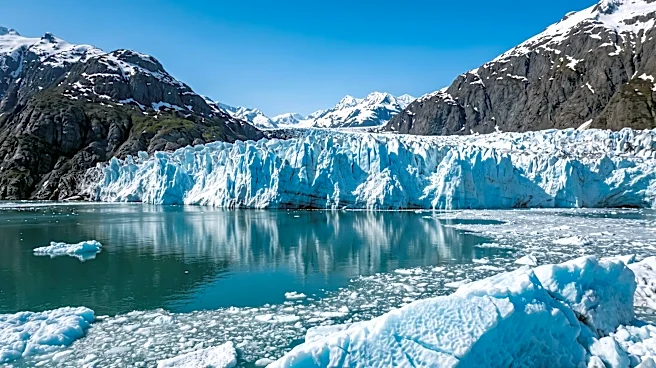
directly linked to the increasing volume of cruise ship tourism. Issues raised include downtown congestion, increased noise from whale watching boats and helicopter flightseeing, and a general strain on public infrastructure. Jo Boehme, a 32-year Juneau resident, stated that the 'pendulum has swung far past the point of over-tourism,' suggesting that most problems could be mitigated with fewer cruise passengers. Brandon Hauser, an Auke Bay resident, echoed these sentiments, noting the dramatic growth of Juneau's tourism scene over the past two decades and questioning the effectiveness of proposed noise studies. Concerns also extended to environmental and public health impacts, such as increased acidification levels in the Inside Passage from heavy fuel oil burned by large cruise ships and the spread of illnesses like norovirus from ships into the town. The VITF is scheduled to finalize its recommendations for the Juneau Assembly following this testimony.
Why It's Important?
The concerns raised by Juneau residents are critically important for the U.S. tourism industry, particularly for destinations heavily reliant on cruise tourism. This situation highlights a growing conflict between economic benefits from tourism and the social and environmental well-being of local communities. The testimony underscores that while tourism provides jobs and revenue, unchecked growth can lead to housing shortages, soaring prices, increased commute times, and a loss of community identity. The environmental impacts, such as water pollution from cruise ship waste and noise pollution, pose long-term threats to natural ecosystems and public health. For Juneau, a failure to address these issues could lead to a decline in resident satisfaction, potential social unrest, and ultimately, a less attractive destination for visitors seeking pristine natural experiences. This scenario could prompt other U.S. coastal communities to re-evaluate their tourism strategies, focusing on sustainable practices and resident-centric development.
What's Next?
The Visitor Industry Task Force (VITF) is set to finalize its recommendations for the Juneau Assembly, which will likely include proposals to address the overtourism concerns. These recommendations may encompass commissioning studies on downtown congestion and helicopter noise, collecting and publicizing data on water and air quality, and potentially exploring ways to promote smaller cruise ships and independent travelers. Residents have called for recommendations that prioritize their lived experience and long-term liveability, suggesting a shift away from mass tourism. The Assembly will then need to consider these recommendations and potentially implement new policies or regulations to manage tourist numbers and mitigate negative impacts. This could involve stricter environmental regulations for cruise ships, caps on visitor numbers, or investments in infrastructure to better handle tourist influx. The outcome in Juneau could set a precedent for how other U.S. destinations manage the challenges of overtourism, particularly in environmentally sensitive areas.
Beyond the Headlines
The Juneau situation reveals a deeper societal tension between economic development and environmental stewardship, particularly in the context of tourism. The residents' calls for 'intelligent tourism' reflect a growing desire for a more balanced approach that values local quality of life and ecological health over sheer visitor volume. The concerns about heavy fuel oil from cruise ships and its impact on marine life and human health highlight the ethical responsibility of the tourism industry to adopt more sustainable practices. This debate extends beyond Juneau, touching upon broader questions of how communities can assert control over their development in the face of powerful economic interests. It also underscores the importance of local voices in policy-making and the potential for grassroots movements to drive change in tourism management. The long-term implications could include a shift towards eco-tourism and responsible travel, where destinations prioritize sustainability and authenticity, potentially reshaping the global tourism landscape.