

What's Happening?
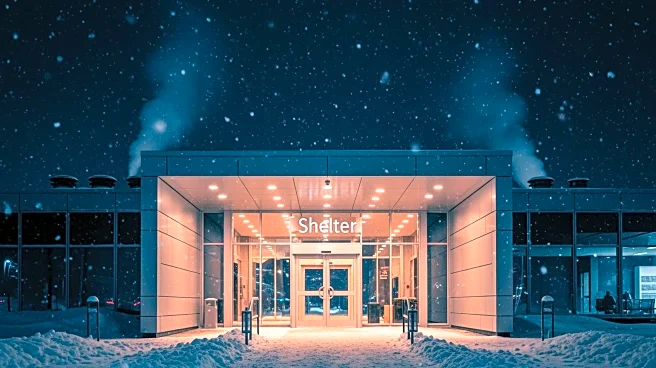
New York City is grappling with one of its longest stretches of subzero temperatures since 1960, resulting in 17 deaths, with at least 13 linked to hypothermia. The city has moved 800 homeless individuals indoors and is using charter buses as warming
centers. Mayor Zohran Mamdani has emphasized the city's all-hands-on-deck approach to getting people inside. However, challenges remain as some homeless individuals refuse shelter due to safety concerns or mental health issues. Outreach workers are actively engaging with the homeless to provide assistance and resources.
Why It's Important?
The situation underscores the vulnerability of homeless populations during extreme weather events and the limitations of current shelter systems. The city's response highlights the need for comprehensive strategies to address homelessness and improve emergency preparedness. The cold snap also raises questions about the adequacy of existing social services and the effectiveness of outreach efforts. The crisis serves as a critical test for Mayor Mamdani's administration and its ability to manage public safety and welfare during emergencies.
What's Next?
As temperatures remain dangerously low, the city will likely continue to expand its emergency measures, including increasing shelter capacity and deploying more warming buses. The administration may face scrutiny over its handling of the crisis and pressure to implement long-term solutions for homelessness. Public awareness campaigns and community involvement may be necessary to ensure vulnerable individuals receive the help they need. The situation may also prompt discussions on policy changes to better protect at-risk populations during extreme weather.