





What's Happening?
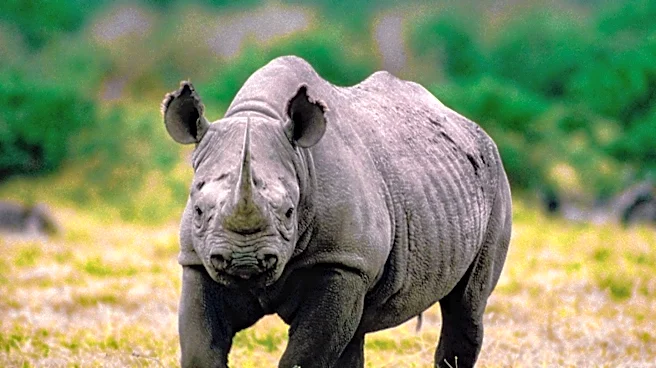
World Rhino Day, observed annually on September 22nd, celebrates all five of the world’s rhino species and aims to raise awareness about the significant conservation threats they face, particularly poaching driven by the illegal demand for rhino horn.
The observance highlights the fact that rhino horn is composed almost entirely of keratin, the same protein found in human fingernails, making the poaching crisis particularly tragic and pointless. First announced by WWF-South Africa in 2010, the initiative gained international traction in 2011 through the collaborative efforts of Lisa Jane Campbell from Zimbabwe and National Geographic blogger Rhishja Cota-Larson. Their partnership expanded the day into a global movement, bringing together NGOs, zoos, rhino sanctuaries, and concerned citizens worldwide to promote protection efforts for white, black, greater one-horned, Sumatran, and Javan rhinos.
Why It's Important?
World Rhino Day plays a crucial role in global conservation by drawing attention to the severe threats faced by rhino populations and mobilizing support for their protection. The emphasis on the chemical composition of rhino horn helps to debunk the baseless medicinal claims that drive its illegal trade, thereby addressing a core cause of poaching. The day serves as a platform for conservation organizations to educate the public, raise funds, and advocate for stronger anti-poaching measures. The international growth of this observance, stemming from a grassroots collaboration, demonstrates the power of collective action in addressing global environmental challenges. By uniting diverse stakeholders, World Rhino Day fosters a shared commitment to safeguarding these endangered species and their habitats, highlighting that rhino conservation is a global responsibility.
What's Next?
As rhino conservation efforts continue, World Rhino Day is expected to remain a significant annual observance. Future efforts will likely focus on reinforcing public education campaigns to correct misconceptions about rhino horn, supporting anti-poaching technologies such as tracking devices and surveillance drones, and advocating for robust legal frameworks to combat wildlife trafficking. Conservation organizations, building on the foundation laid by WWF-South Africa and the collaboration between Lisa Jane Campbell and Rhishja Cota-Larson, will continue to promote rhino protection efforts. Zoos will likely host educational programming to engage the public, while NGOs and sanctuaries will persist in their on-the-ground work to protect and rehabilitate rhinos. The long-term success will depend on sustained partnerships, predictable financing, and ensuring that communities living closest to these animals share in the value created by their survival.
Beyond the Headlines
Beyond the immediate goal of raising awareness, World Rhino Day touches upon broader themes of human impact on biodiversity and the ethics of wildlife exploitation. The persistence of rhino poaching, despite scientific evidence debunking the value of rhino horn, underscores the challenge of overcoming cultural beliefs and economic incentives that drive illegal activities. The story of the observance's international expansion through a simple email highlights the potential for individual initiative and digital connectivity to spark global movements. It also brings to light the critical role of grassroots efforts in complementing larger institutional conservation programs. The day serves as a poignant reminder of the fragility of endangered species and the urgent need for a paradigm shift in human-wildlife coexistence, emphasizing that the protection of rhinos is not just an environmental issue but a moral imperative.