





What's Happening?
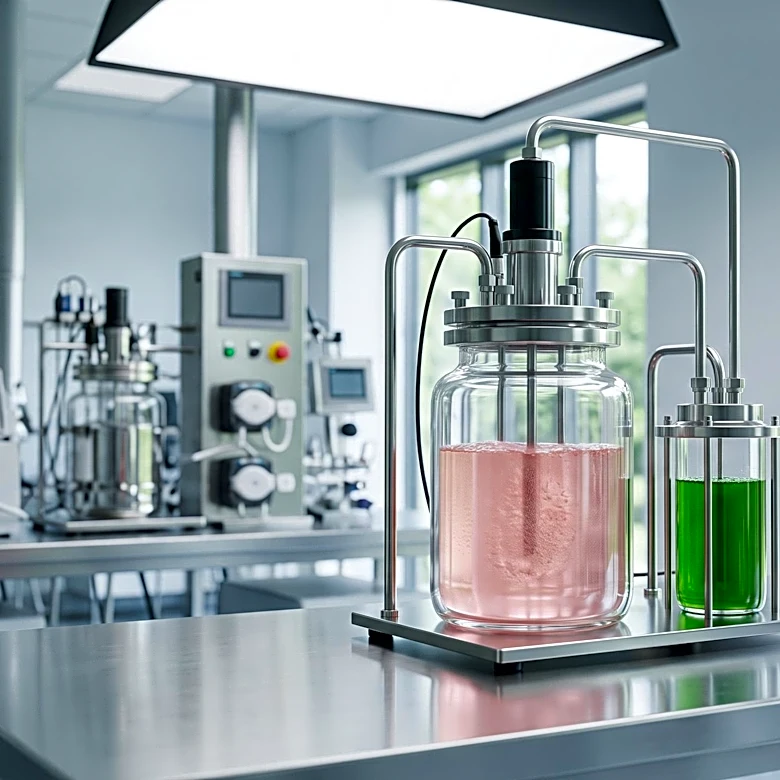
Researchers at United Arab Emirates University (UAEU) have developed a novel catalyst for hydrogen production, utilizing abundant local resources: desert sand and biochar made from date pits, combined with nickel. This innovative material was tested in methane
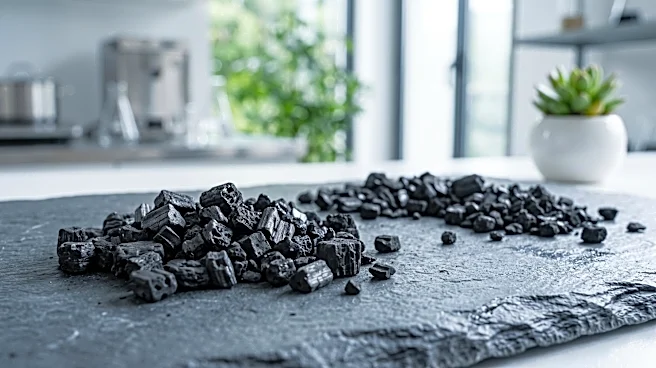
decomposition, achieving a methane conversion rate of 38% at temperatures between 500°C and 600°C. The research, published in the Journal of Alloys and Compounds, involved scientists from UAEU’s Departments of Chemical and Petroleum Engineering and Chemistry, in collaboration with Abu Dhabi Polytechnic. The team experimented with 30 different formulations, identifying an optimal blend consisting of 15% nickel, 42.5% desert sand, and 42.5% biochar. The biochar plays a crucial role by evenly distributing nickel particles across the sand, preventing clumping, and enhancing the material’s porosity and surface area, thereby creating more active sites for chemical reactions. This development offers a promising pathway for lower-cost hydrogen production.
Why It's Important?
This breakthrough is significant for the clean energy sector, particularly in regions with abundant desert sand and agricultural waste like date pits. By transforming readily available, low-cost materials into a functional catalyst for hydrogen production, the UAEU research could reduce the economic barriers associated with green hydrogen initiatives. Hydrogen is a critical component of the global energy transition, offering a clean alternative to fossil fuels. Lowering the cost of its production through innovative catalysts can accelerate its adoption across various industries, including transportation and power generation. This development also highlights the potential for sustainable waste management, as date pits, an abundant byproduct in the UAE, are repurposed into a valuable component for clean energy. The ability to leverage local resources for advanced energy solutions can enhance energy independence and foster economic diversification in the U.S. and other nations looking to reduce their carbon footprint.
What's Next?
Further testing is required to assess the catalyst's long-term performance and reusability, which are crucial factors for its commercial viability. The researchers will need to conduct extended trials to determine the catalyst's durability and efficiency over prolonged periods of operation. Additionally, investigations into the scalability of this production method will be essential to transition from laboratory-scale development to industrial application. Potential next steps include optimizing the catalyst's formulation and reaction conditions to achieve higher methane conversion rates and improve overall hydrogen yield. Collaborations with industrial partners could facilitate the development of pilot projects to demonstrate the technology's effectiveness in real-world settings. The success of these subsequent phases will determine the catalyst's potential to contribute to lower-cost, sustainable hydrogen production and its broader impact on the clean energy landscape.
Beyond the Headlines
The development of this catalyst extends beyond immediate energy production, touching upon broader themes of resource utilization and circular economy principles. The innovative use of desert sand, often considered an inert material, transforms it into a valuable component in advanced chemical processes. Similarly, repurposing agricultural waste like date pits into biochar addresses waste management challenges while simultaneously contributing to sustainable energy solutions. This approach exemplifies how local resources and waste streams can be integrated into high-value applications, fostering regional self-sufficiency in energy production. The research also underscores the importance of interdisciplinary collaboration between chemical engineering, petroleum engineering, and chemistry departments, highlighting how diverse scientific expertise can lead to groundbreaking innovations. Such advancements can inspire similar initiatives globally, encouraging other regions to explore their unique resource endowments for sustainable development and clean energy transitions.