




What's Happening?
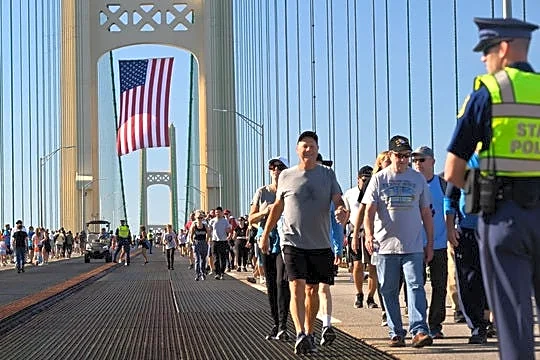
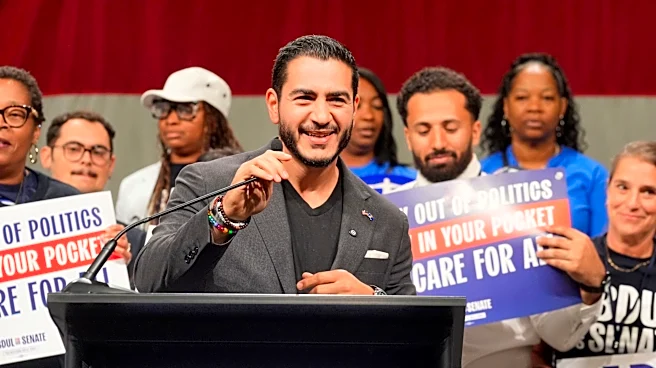
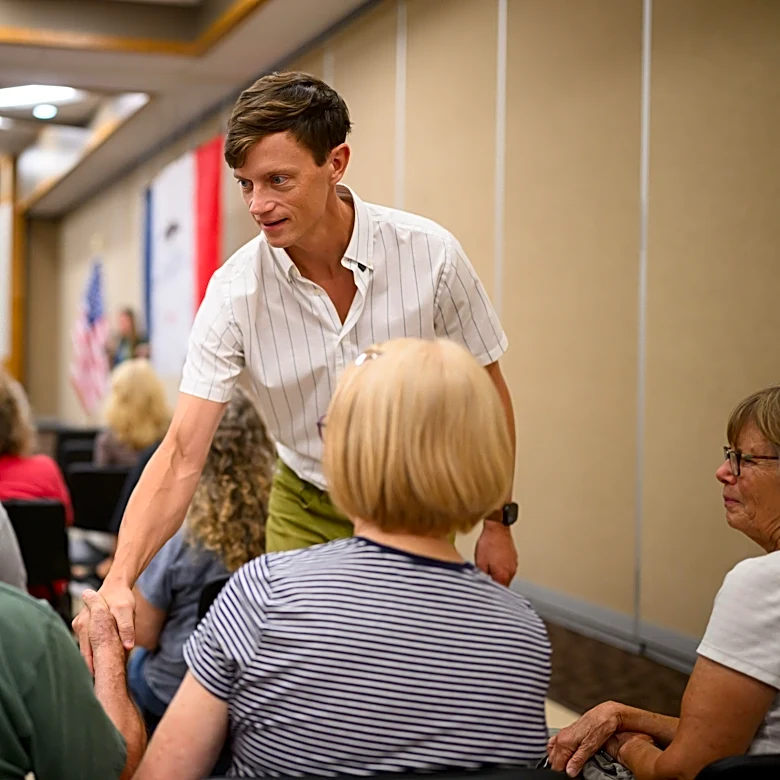
United Auto Workers (UAW) President Fain rallied approximately 11,000 union members at Detroit's Labor Day parade, endorsing a full slate of Michigan Democrats for the upcoming November elections. Fain publicly backed Jocelyn Benson for governor, Abdul
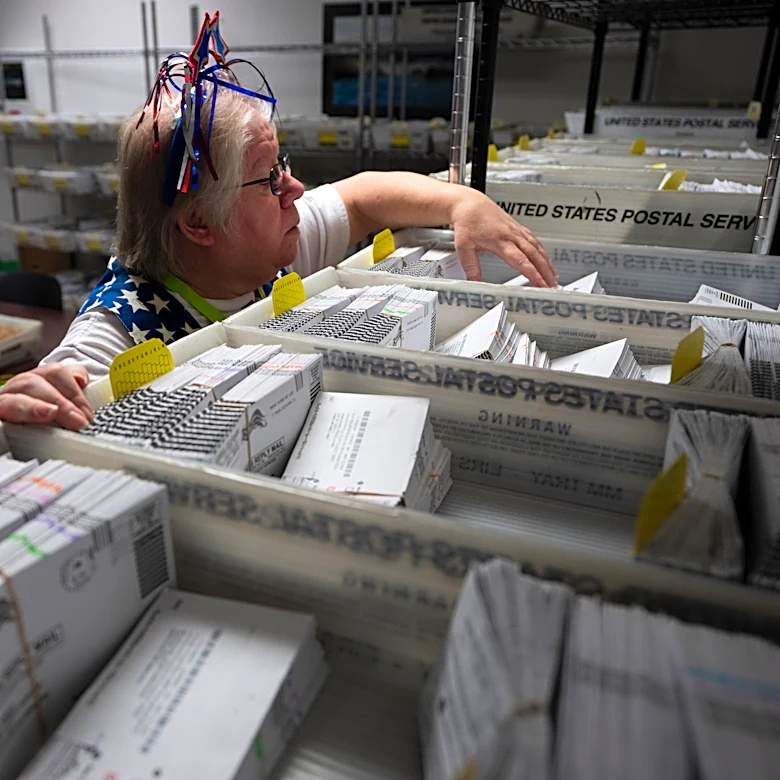
El-Sayed for U.S. Senate, Garlin Gilchrist II for secretary of state, and Eli Savit for attorney general. He framed the midterms as a crucial decision point for working people versus the 'billionaire class.' This show of political force comes as Fain himself is under scrutiny, with the U.S. Department of Justice having opened an investigation in July into allegations that he retaliated against UAW Vice President Rich Boyer. The allegations reportedly stem from reports filed by the union's court-appointed federal monitor, which also issued rules for an August mail-ballot election pitting Fain against Boyer for the union presidency.
Why It's Important?
Fain's endorsement of a full Democratic slate in Michigan is significant for the state's political landscape, especially given the UAW's substantial influence and the state's status as a key battleground. The union's political muscle, backed by its $1.25 billion in net assets and 375,000 active members, could be a decisive factor in close races. This move also highlights the growing political weight of organized labor in Michigan, particularly after the repeal of its right-to-work law in February 2024. The federal investigation into Fain's leadership, however, introduces an element of uncertainty and potential instability, which could impact the union's public image and its effectiveness in mobilizing support for its endorsed candidates. The outcome of these elections will shape Michigan's governance and potentially influence national political dynamics, especially with the state holding an early primary in the 2028 presidential nominating contest.
What's Next?
The UAW's political push will continue through the November elections, with the union likely deploying its resources to support the endorsed Democratic candidates. The federal investigation into President Fain's conduct is ongoing and will likely cast a shadow over his leadership and the union's activities, potentially influencing internal union politics and external perceptions. The upcoming internal UAW presidential election between Fain and Boyer will also be a critical event, determining the future direction of the union's leadership. The results of the Michigan elections will reveal the extent of the UAW's influence and the broader political leanings of the state, impacting policy decisions on labor rights, economic development, and other key issues. Stakeholders, including political parties, businesses, and labor advocates, will closely watch these developments.
Beyond the Headlines
The convergence of a major union's political endorsement with an ongoing federal investigation into its leader reveals deeper complexities within organized labor and its role in U.S. politics. It highlights the ethical challenges and accountability issues that can arise within powerful organizations, even as they advocate for workers' rights. The narrative of 'working people versus the billionaire class' articulated by Fain taps into broader societal anxieties about economic inequality and corporate power, resonating with a significant portion of the electorate. This situation could prompt a re-examination of union governance structures and the oversight mechanisms in place to prevent corruption, potentially leading to reforms that enhance transparency and accountability within labor organizations. It also underscores the evolving nature of political alliances and the strategic calculations involved in leveraging union power in a highly polarized political environment.