






What's Happening?
Pakistan, Qatar, Turkey, and Indonesia signed the Badr Memorandum of Understanding (MoU) in Doha on October 21, 2026. This agreement aims to expand defense production, facilitate technology transfer, and foster technical cooperation among the signatory
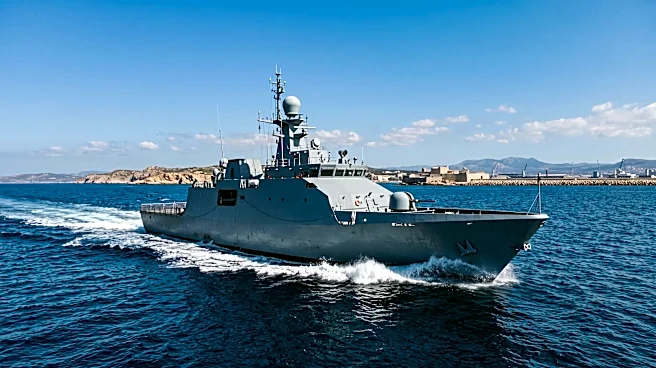
nations. The Turkish Defence Ministry confirmed the deal's objective to boost defense industry production and technological collaboration. This initiative comes amidst a global increase in military spending, which reached USD 2.887 trillion in 2025, marking a 2.9% growth from 2024. The MoU seeks to address concerns about over-reliance on traditional security partners and ensure access to defense supplies during crises. Each partner brings distinct strengths: Turkey offers export capabilities, Indonesia contributes its industrial base, Qatar provides financial resources, and Pakistan leverages its existing armored-vehicle and shipyard infrastructure. The success of the MoU hinges on genuine design-knowledge transfer rather than mere assembly, with a focus on joint projects, sustained financing, and workforce retention.
Why It's Important?
This defense cooperation agreement is significant as it aims to bolster the self-reliance of participating nations in defense production, reducing their vulnerability to external supply chain disruptions, especially during regional conflicts. The initiative could lead to economic benefits for Pakistan, as defense investments can foster skills applicable to civilian sectors like precision engineering, electronics, software development, and advanced manufacturing. This could create opportunities for Pakistani universities, technology companies, and engineering graduates. The partnership also reflects a broader trend among nations to develop indigenous industrial capacity for defense, driven by the understanding that international markets for arms may become inaccessible during severe crises. The collaboration seeks to combine the unique strengths of each country to create a more robust and integrated defense industrial base, potentially shifting regional power dynamics and reducing dependence on established arms suppliers.
What's Next?
The lasting impact of the Badr MoU will depend on the implementation of concrete joint projects, securing sustained financing, and ensuring effective workforce retention. For the agreement to be truly successful, there must be a genuine transfer of design knowledge and technical expertise, allowing engineers to gain hands-on access to design, testing equipment, and long-term development opportunities. Pakistan's Defense Minister Khawaja Asif has emphasized the importance of joint production and technology transfer, indicating a focus on practical collaboration. The partnership will also need to address the costs associated with maintaining new facilities and retaining qualified engineers. The World Bank's assessment for Pakistan in March 2026, which projects 3.7% economic growth for FY2026, underscores the ongoing need for structural reform and productive investments, which could be supported by successful defense industry integration efforts under the MoU.
Beyond the Headlines
The Badr MoU represents a strategic shift towards greater defense industrial integration and self-sufficiency among its signatories, potentially fostering a new model of South-South cooperation in the defense sector. Beyond immediate military implications, successful collaboration could stimulate broader economic development by nurturing high-tech skills and industries that have dual-use applications in civilian sectors. This initiative also highlights the growing recognition among developing nations of the need to reduce reliance on traditional global powers for critical defense technologies, thereby enhancing their strategic autonomy. The partnership could also serve as a model for other regional blocs seeking to build collective security capabilities and economic resilience through shared industrial development. The long-term success will be measured not just by the production of military hardware, but by the ability of these countries to independently design, build, and operate critical defense technologies.