







What's Happening?
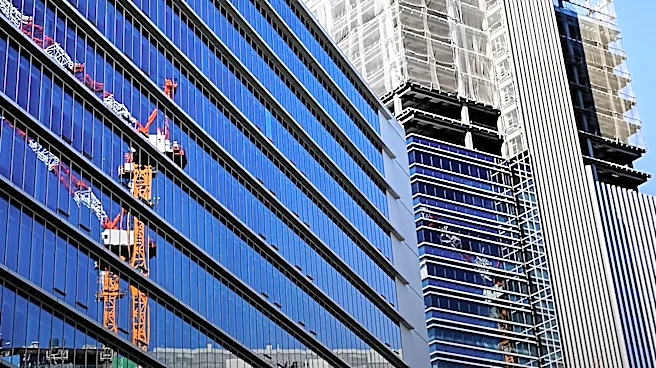
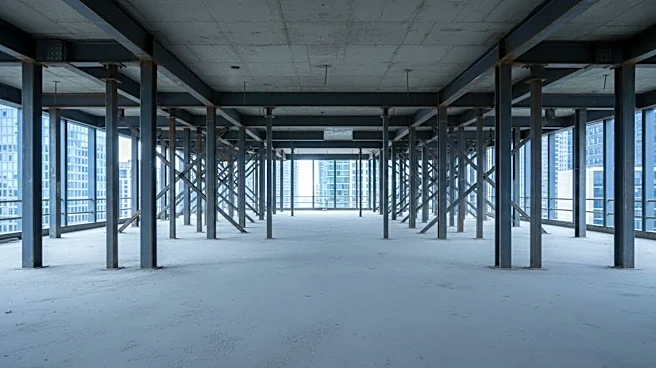
A construction incident at the former Pfizer headquarters in midtown Manhattan has brought attention to the complexities of converting office buildings into residential spaces. This week, two steel columns buckled on the 21st floor of the building, leading
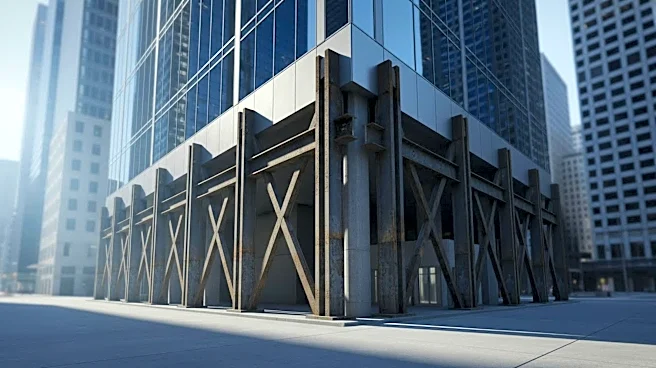
to evacuations and a halt in construction. The project aims to transform two office buildings, one from 1909 and another from the 1960s, into approximately 1,600 apartments. The incident underscores the engineering challenges involved in such adaptive reuse projects, which have gained popularity as a solution to the nationwide housing shortage exacerbated by the COVID-19 pandemic. Temporary supports have been installed as investigations continue into the cause of the structural failure.
Why It's Important?
The incident is significant as it highlights the engineering and safety challenges associated with converting older office buildings into residential units, a strategy increasingly adopted to address housing shortages in urban areas. The failure of the columns raises concerns about the structural integrity of such projects, which are crucial for revitalizing underused office spaces post-pandemic. The outcome of this project could influence future adaptive reuse initiatives, impacting urban planning and housing policies. Successful conversions could alleviate housing shortages, but failures could deter investment and complicate regulatory approvals.
What's Next?
As investigations into the cause of the buckling continue, the construction industry and city officials will likely review safety protocols and engineering practices for similar projects. The incident may prompt a reevaluation of ongoing and planned office-to-residential conversions to ensure structural safety. Developers and engineers might face increased scrutiny, potentially leading to delays or modifications in project designs. The outcome of this investigation could set precedents for future adaptive reuse projects, influencing building codes and safety standards.
Beyond the Headlines
The incident also raises broader questions about sustainability and urban development. Demolishing old buildings is often seen as wasteful and environmentally damaging, making adaptive reuse an attractive alternative. However, the complexities involved in such projects highlight the need for advanced engineering solutions and robust safety measures. This situation could spark discussions on balancing sustainability with safety and economic viability in urban redevelopment strategies.