





What's Happening?
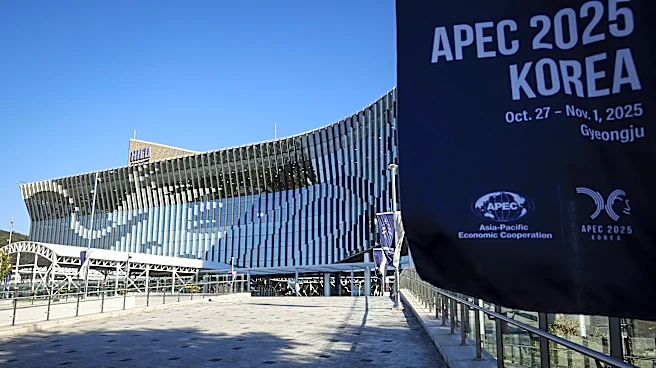
The 37th APEC Ministerial Meeting was held via video conference in Beijing, co-chaired by Chinese Minister of Foreign Affairs Wang Yi and Chinese Minister of Commerce Wang Wentao. The meeting focused on the theme of 'Building an Asia-Pacific Community
to Prosper Together,' with priorities on openness, innovation, and cooperation. Amid a fluid international landscape and headwinds facing economic globalization, the Asia-Pacific region has been highlighted as a zone of stability and an engine of growth. President Xi Jinping emphasized APEC's founding mission to promote economic growth and improve people's lives, advocating for open development and universally beneficial, inclusive economic globalization. China, as the host, has organized over 300 meetings and events, yielding numerous cooperation outcomes. The discussions underscored the need for APEC parties to provide practical 'Asia-Pacific solutions' for regional and global development, focusing on upholding free trade, fostering innovation-driven growth, and working towards a just international economic and trade order. Wang Wentao reiterated China's commitment to high-standard opening up, expanding voluntary opening, and fostering a unified, competitive market system.
Why It's Important?
This meeting is crucial for the U.S. as it underscores the ongoing global push for economic integration and open markets, which directly impacts U.S. trade policies and economic interests in the Asia-Pacific. The emphasis on free trade and reducing barriers to trade and investment aligns with U.S. business objectives for market access and fair competition. The call for innovation-driven development and digital intelligence transformation highlights areas where U.S. technology companies can find opportunities or face increased competition. Furthermore, the discussion on strengthening coordination on macroeconomic policies and economic and trade rules could influence global economic stability and U.S. economic planning. The commitment to safeguarding the multilateral trading system with the WTO at its core is significant for the U.S., as it relies on these frameworks for international trade dispute resolution and standard-setting. The promotion of inclusive economic globalization could also shape future trade agreements and partnerships, affecting U.S. companies operating in or looking to expand into the Asia-Pacific region.
What's Next?
The upcoming APEC Economic Leaders’ Meeting will be a critical next step, building on the outcomes of the Ministerial Meeting. China aims to work with all parties to ensure fruitful results at this leaders' summit, which will likely set the agenda for Asia-Pacific cooperation in the coming year. Member economies are expected to continue refining the roadmap for developing the Free Trade Area of the Asia-Pacific (FTAAP) and explore more open cooperation arrangements. Discussions on digital and intelligent economic and trade rules will likely intensify, potentially leading to new frameworks for digital trade. Stakeholders, including political leaders and businesses, will be closely watching for concrete actions and agreements that emerge from these high-level discussions. China's continued commitment to advancing high-standard opening up suggests further policy implementations aimed at expanding market access and improving the business environment for foreign-invested enterprises. The focus on building an Asia-Pacific community implies ongoing efforts to deepen regional integration and cooperation across various sectors.
Beyond the Headlines
The emphasis on 'universally beneficial and inclusive economic globalization' suggests a broader geopolitical strategy aimed at fostering a more equitable global economic order, which could challenge existing power dynamics and influence U.S. foreign policy and trade relations. The call for an 'open architecture' and sustained regional integration could lead to new regional trade blocs or strengthened existing ones, potentially altering global supply chains and trade flows. The focus on nurturing an innovation ecosystem and cultivating new drivers of growth, particularly in digital intelligence, points to a long-term shift towards a technology-driven economy in the Asia-Pacific. This could accelerate technological advancements and create new ethical and regulatory challenges related to data governance and artificial intelligence. The discussions also highlight the ongoing tension between economic globalization and national interests, as countries navigate geopolitical uncertainties while striving for economic growth and stability. The concept of an 'Asia-Pacific community' could foster greater regional cohesion, potentially leading to a more unified stance on global issues, which would have significant implications for international diplomacy and multilateralism.