





What's Happening?
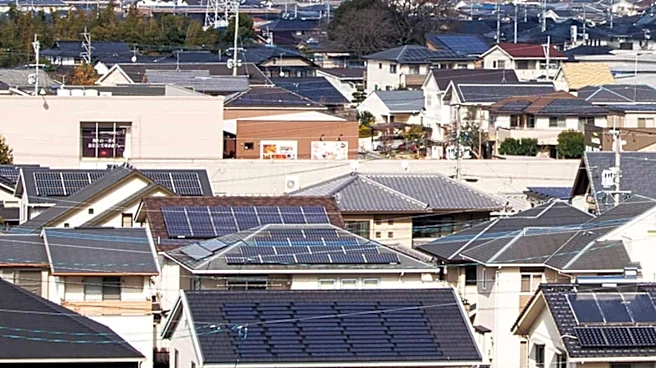
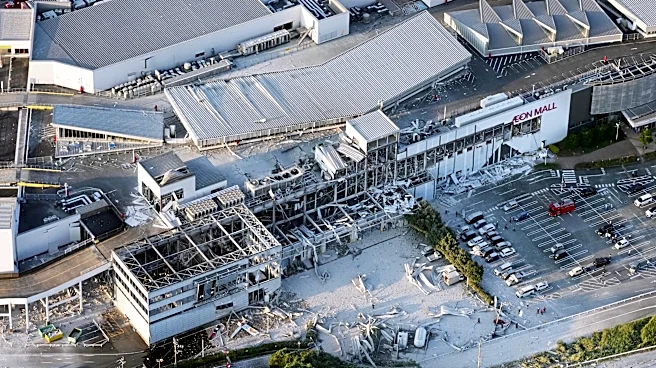
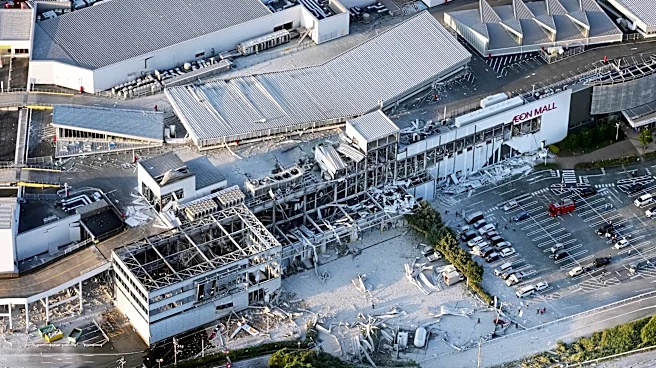
The recent magnitude 7.1 earthquake in Japan is expected to result in financial losses that are lower than those from the 2016 Kumamoto earthquake. Government reinsurance supports residential claims, while commercial policies have strict exclusions. The earthquake,
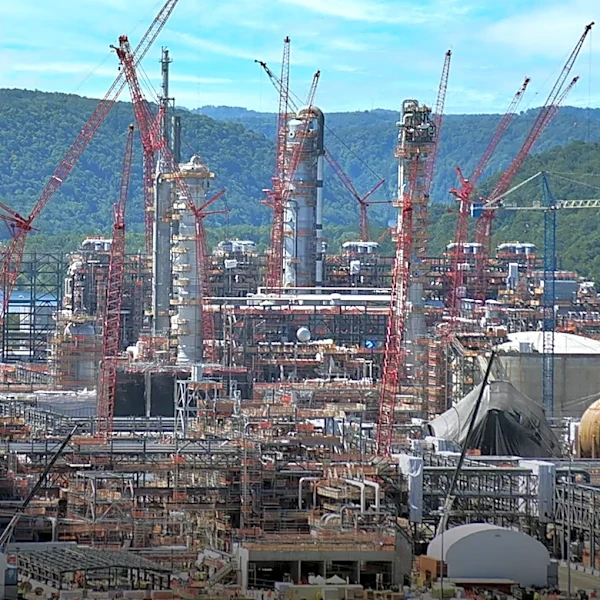
linked to the southern Hinagu/Yatsushiro fault system, has caused limited damage to semiconductor infrastructure, a key industry in the region. Moody's Ratings suggests the impact on Japanese insurers' earnings will be limited due to strong international revenue and recent premium rate increases.
Why It's Important?
The earthquake's financial impact is a critical concern for Japan's economy, particularly in the technology sector. The limited damage to semiconductor facilities is significant, as these are vital to global supply chains. The event highlights the importance of effective risk management and insurance strategies in mitigating economic losses from natural disasters. The resilience of Japan's insurance industry, supported by government reinsurance, plays a crucial role in stabilizing the financial impact.
What's Next?
The focus will be on assessing the full extent of the damage and resuming operations in affected industries. The earthquake may prompt further analysis of geological risks and the implementation of measures to enhance infrastructure resilience. Insurers and policymakers may review and adjust strategies to better prepare for future seismic events.