






What's Happening?
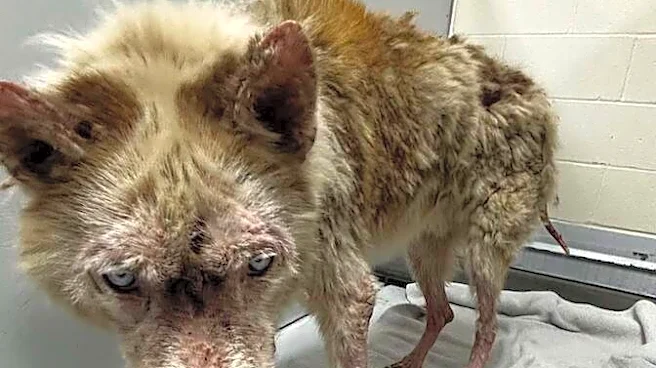
Amanda April, founder of the nonprofit volunteer rescue group Joyner’s Furr-eedom Rescue, describes a severe stray dog problem in Chester, Pennsylvania. Since January, her group has collected 41 deceased dogs, many found with chains, poisoned, or in trash
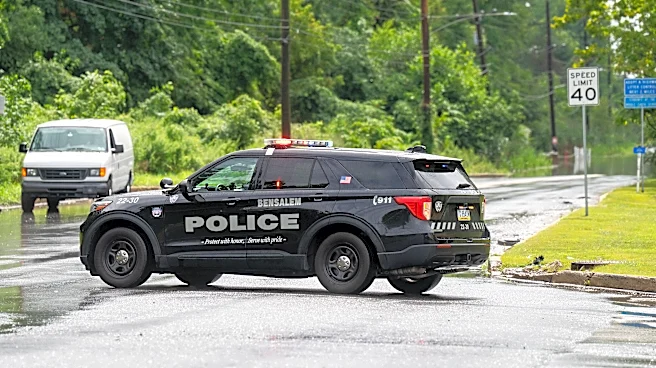
bags. April also rescued 33 dogs from a single hoarding situation in early September, bringing her total to 70 dogs from Chester in three months. She has reached out to Chester Mayor Stefan Roots, offering to help manage the situation if the city provides a building and covers electricity costs. Chester is currently in a fiscal emergency, declared by Gov. Tom Wolf in 2020, and has been undergoing bankruptcy proceedings since 2022. The city lacks animal control services, and Police Commissioner Katrina Blackwell acknowledges a stray issue but states it is not a 'crisis,' though she confirms calls about aggressive animals and instructs residents to continue reporting strays to the police.
Why It's Important?
The ongoing stray animal crisis in Chester highlights the broader societal and public health implications of municipal financial distress. The absence of animal control services, a direct consequence of the city's bankruptcy, places a significant burden on volunteer organizations like Joyner’s Furr-eedom Rescue. This situation not only impacts animal welfare, leading to neglect, abuse, and death, but also poses potential public safety and health risks due to aggressive animals and unsanitary conditions. The reliance on volunteers for essential services underscores a systemic failure in resource allocation and governance within financially struggling municipalities. Furthermore, the emotional and financial strain on individuals like April, who are dedicating their lives and personal resources to address these issues, is substantial, indicating a critical gap in public services that affects both human and animal residents.
What's Next?
Amanda April's immediate goal is to secure a dedicated facility within Chester to house and assess rescued dogs, as current foster homes are overwhelmed. She has initiated a GoFundMe page to raise funds for this purpose. The city's response to her proposal for a building and utility coverage remains to be seen, but given the ongoing bankruptcy proceedings, financial constraints are likely to be a significant hurdle. Residents are advised by Police Commissioner Katrina Blackwell to continue reporting stray animals to the police, who will then likely contact volunteer groups like April's. The long-term resolution of Chester's fiscal emergency will be crucial in determining if the city can eventually establish its own animal control services or provide more substantial support to volunteer efforts. The situation may also draw attention from state animal welfare organizations or legislative bodies to address the lack of animal control in financially distressed areas.
Beyond the Headlines
This situation in Chester reflects a deeper issue of urban decay and the disproportionate impact of financial crises on vulnerable populations, including animals. The lack of basic services like animal control can be seen as a symptom of broader systemic neglect in communities facing severe economic hardship. The dedication of volunteers like April, while commendable, also exposes the limitations of relying solely on private charity to address public welfare issues. This scenario raises ethical questions about governmental responsibility towards all its inhabitants, including animals, and the long-term consequences of defunding or eliminating essential public services. It also highlights the potential for community-led initiatives to fill critical gaps, but also the inherent unsustainability of such efforts without institutional support. The 'horrible' conditions described could also lead to increased public awareness and advocacy for animal rights and welfare reform in financially struggling cities.