




What's Happening?
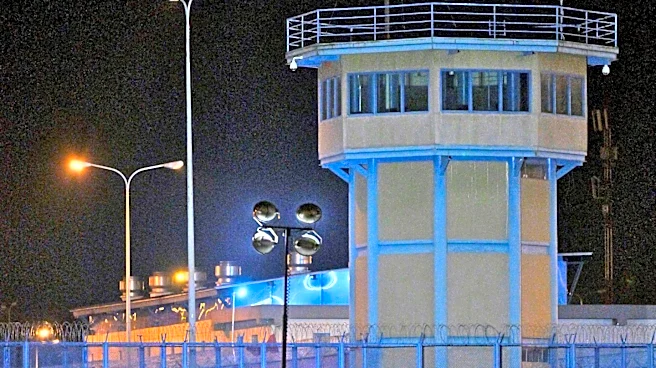
The wife of a U.S. Army soldier is facing potential detention and deportation during a scheduled immigration check-in with U.S. Immigration and Customs Enforcement (ICE) in Norcross, Georgia. Her attorney, Tony Kozycki, expressed concerns that she will
be taken into custody and ultimately deported, which would separate her from her husband who is currently away for military training. The woman's identity and nationality have not been disclosed. She had previously applied for asylum, which was denied, and has since been under ICE supervision with electronic monitoring, complying with required check-ins. The organization Repatriate Our Patriots, which advocates for deported veterans and military families, connected her with Kozycki Law after her asylum denial. Kozycki and members of Common Defense Georgia plan to hold a news conference outside the ICE facility to draw attention to her case.
Why It's Important?
This situation highlights the growing scrutiny surrounding immigration enforcement involving military families in the U.S. The potential detention and deportation of a service member's spouse can significantly impact military readiness and morale. As attorney Tony Kozycki stated, "No soldier should have to worry that while he is away answering that call, his own government will tear his family apart." The Department of Homeland Security maintains that military service does not automatically grant legal immigration status or exemption from enforcement to service members or their relatives. However, immigrant relatives of service members may qualify for 'parole in place,' which allows certain individuals who entered the country without authorization to pursue legal status without leaving the U.S. The processing times for this benefit have reportedly increased, leaving some families vulnerable to enforcement actions while their applications are pending. This case underscores the complexities and human impact of immigration policies on those serving in the U.S. military.
What's Next?
The immediate next step is the scheduled immigration check-in at the ICE facility in Norcross, Georgia, where the woman's attorney anticipates her detention. A news conference is planned by her attorney and military advocates to raise awareness about her situation. It remains unclear whether ICE has formally notified her of impending detention or if she has exhausted all available appeals for her asylum application. The outcome of this check-in will determine whether she is detained and potentially deported, further separating her from her military husband. The case may also draw further attention to the broader issue of immigration enforcement policies affecting military families and could prompt calls for policy reviews or legislative action regarding 'parole in place' and other protections for service members' relatives.
Beyond the Headlines
This case delves into the ethical and societal implications of immigration enforcement on military families, raising questions about the nation's commitment to those who serve. The principle of 'family readiness directly impacts mission readiness,' as articulated by Danitza James of Repatriate Our Patriots, suggests that the stability and well-being of military families are crucial for the effectiveness of the armed forces. The potential deportation of a service member's spouse, especially while the service member is deployed, can be seen as a breach of trust and support from the government. This situation also highlights the bureaucratic challenges and emotional toll faced by immigrant families navigating the U.S. immigration system, even when connected to military service. It prompts a deeper discussion about how immigration laws intersect with military service and the extent to which the government should protect the families of those who serve the country.