



What's Happening?
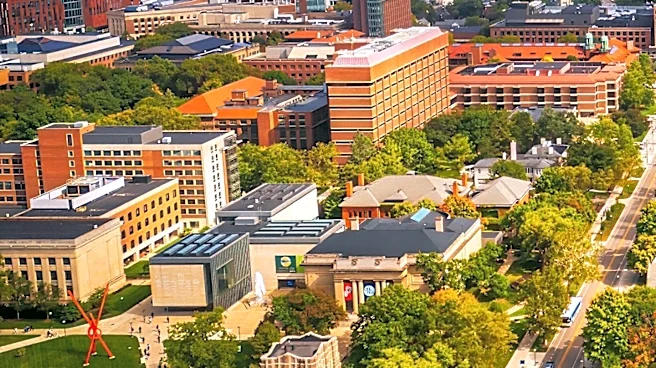
Montgomery College is offering CHEM 203 - Organic Chemistry I, a course designed to introduce students to the fundamental concepts of organic chemistry. The curriculum emphasizes aliphatic hydrocarbons, alkyl halides, and alcohols. Key topics covered
include bonding theories, molecular structures, nomenclature, physical properties, synthesis methods, and reaction mechanisms. The course also incorporates laboratory work, where students will gain practical experience in the preparation, analysis, and purification of organic compounds, utilizing spectroscopic techniques. To enroll, students must have achieved a grade of C or better in CHEM 132 within the last five years, or obtain consent from the department chair, course coordinator, or a designated member of the Chemistry faculty. The course structure includes three hours of lecture, one hour of discussion, and four hours of laboratory work each week, totaling five semester hours. This offering is part of the college's broader science curriculum, aiming to provide a strong foundation for students pursuing careers in chemistry or related scientific fields.
Why It's Important?
This Organic Chemistry I course is crucial for students pursuing degrees in chemistry, biochemistry, medicine, pharmacy, and other health sciences, as organic chemistry forms the bedrock of these disciplines. A solid understanding of organic compounds, their structures, and reactions is essential for developing new drugs, materials, and technologies. For the U.S. scientific community, well-trained graduates in organic chemistry contribute to innovation in pharmaceutical research, materials science, and environmental chemistry. The practical laboratory component ensures students develop critical hands-on skills, which are highly valued in both academic research and industrial settings. This foundational knowledge is vital for addressing complex challenges in areas such as disease treatment, sustainable energy, and advanced manufacturing, thereby supporting the nation's scientific and technological advancement. The course also prepares students for more advanced studies and specialized roles within the chemical industry.
What's Next?
Students who successfully complete Organic Chemistry I will be prepared to advance to Organic Chemistry II and other higher-level chemistry courses. The skills and knowledge acquired, such as identifying functional groups, understanding reaction mechanisms, and performing laboratory techniques, will serve as a prerequisite for more specialized studies in organic synthesis, medicinal chemistry, and polymer science. Graduates with a strong background in organic chemistry are well-positioned for careers in research and development within pharmaceutical companies, chemical manufacturing, biotechnology firms, and academic institutions. Furthermore, the analytical and problem-solving skills honed in this course are transferable to various scientific and technical professions, contributing to a skilled workforce in critical U.S. industries. The college will continue to offer such foundational courses to meet the demand for scientifically literate professionals.
Beyond the Headlines
The consistent offering of foundational science courses like Organic Chemistry I by institutions such as Montgomery College underscores a broader commitment to STEM education in the U.S. This commitment is vital for maintaining the nation's competitive edge in global scientific innovation. The emphasis on both theoretical understanding and practical laboratory skills reflects an educational philosophy that values hands-on experience as much as academic knowledge. This approach helps bridge the gap between academic learning and real-world application, preparing students not just for exams but for actual scientific work. Moreover, by providing accessible education in critical scientific fields, community colleges play a significant role in diversifying the STEM pipeline, enabling a wider range of individuals to pursue scientific careers and contribute to national scientific endeavors. This contributes to a more robust and inclusive scientific workforce.