





What's Happening?
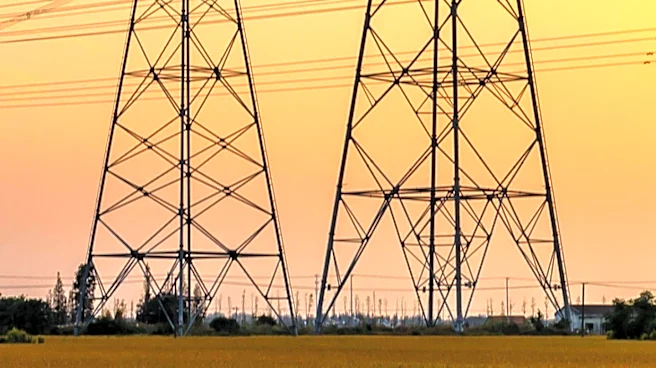
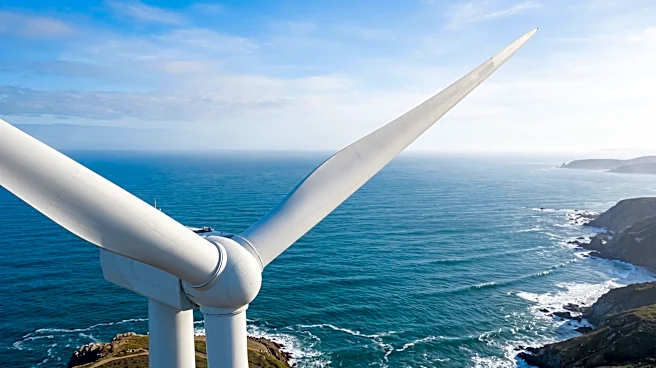
Vermont Governor Phil Scott and Nova Scotia Premier Tim Houston have signed a Memorandum of Understanding (MOU) to foster collaboration on offshore wind energy, electricity transmission planning, and regional grid integration. This three-year agreement
aims to facilitate information sharing and explore avenues for delivering Nova Scotia's offshore wind resources to New England. Governor Scott's office highlighted that the partnership seeks to advance shared goals of energy independence, job creation, and environmental protection. For Vermont, the MOU is expected to open doors to new sources of clean, competitively priced power, which could help manage electricity costs and enhance reliability as demand increases. The agreement also reinforces Vermont's role as a crucial link between the Canadian and New England grids, especially with a modernized Highgate Converter.
Why It's Important?
This MOU is significant for both Vermont and the broader New England region as it addresses critical energy needs and environmental objectives. For Vermont, a small state that cannot independently generate affordable, clean, and reliable energy, regional partnerships are essential. The agreement offers a pathway to diversify its energy portfolio with clean sources, potentially leading to lower electricity costs for ratepayers and improved grid reliability. For Nova Scotia, the collaboration supports the growth of its offshore wind sector and expands its electricity connections with other jurisdictions, which could attract investment and create jobs within the province. The initiative underscores a growing trend towards cross-border energy cooperation to achieve sustainable energy goals and economic benefits.
What's Next?
Over the next three years, the focus will be on implementing the framework established by the MOU. This will involve active information sharing between Vermont and Nova Scotia regarding offshore wind development and transmission planning. Both jurisdictions will explore specific opportunities to integrate Nova Scotia's offshore wind into the New England grid. The modernization of Vermont's Highgate Converter will likely proceed in parallel, strengthening the infrastructure necessary for cross-border power flow. Future steps may include feasibility studies, joint projects, and policy coordination to ensure the efficient and cost-effective delivery of clean energy, with potential for further agreements or expansions of this partnership.
Beyond the Headlines
The agreement between Vermont and Nova Scotia represents more than just an energy deal; it signifies a broader commitment to regional cooperation in addressing climate change and fostering economic resilience. By leveraging Nova Scotia's leadership in offshore wind and Vermont's expertise in transmission planning, the partnership sets a precedent for how smaller states and provinces can collectively tackle complex energy challenges. This collaboration could inspire similar cross-border initiatives, promoting a more integrated and sustainable energy landscape across North America. It also highlights the increasing importance of renewable energy sources in national and regional energy strategies, moving towards a future less reliant on fossil fuels and more focused on environmental stewardship and economic stability.