





What's Happening?
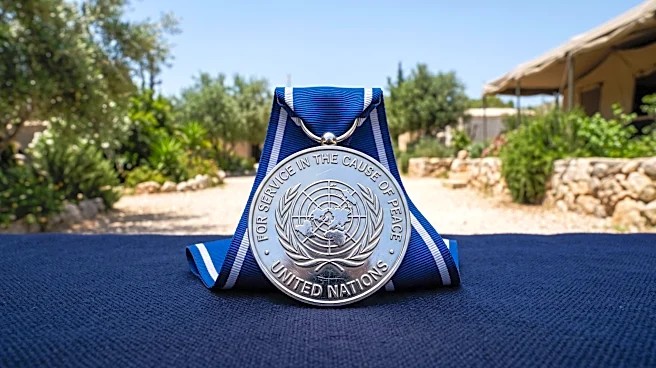
On November 3, 2026, a total of 464 peacekeepers from the 24th Chinese peacekeeping contingent to Lebanon were awarded UN medals of peace. The ceremony took place at the Chinese peacekeepers' camp in Hanniyah village in southern Lebanon. These peacekeepers are
part of the UN Interim Force in Lebanon (UNIFIL) and were recognized for their dedication to maintaining stability and peace in the region. Diodato Abagnara, UNIFIL head of mission and force commander, commended the Chinese contingent for their prompt response, practical solutions, and decisive actions, describing them as "problem-solvers" crucial to the mission. The 24th contingent, which includes engineer and medical detachments, has been serving since December 2025. Their efforts have included clearing over 825 square meters of minefields, safely removing more than 146 landmines, and providing medical treatments to over 3,400 UNIFIL personnel and local residents. Since 2006, more than 8,800 Chinese peacekeepers have been deployed to Lebanon.
Why It's Important?
The recognition of Chinese peacekeepers in Lebanon highlights China's growing role in international peacekeeping efforts and its commitment to global stability. This involvement can enhance China's diplomatic standing and influence on the world stage, particularly in regions critical to international security. For the United States, China's expanded presence in peacekeeping operations could be viewed through various lenses: as a potential partner in maintaining global order, or as a strategic move to project power and influence in areas traditionally dominated by Western nations. The effectiveness of these peacekeeping missions, as demonstrated by the Chinese contingent's achievements in mine clearance and medical aid, directly contributes to regional stability, which can have indirect benefits for U.S. interests by reducing conflict and fostering environments conducive to trade and diplomacy. However, it also underscores the evolving geopolitical landscape where non-Western powers are increasingly taking on significant international responsibilities.
What's Next?
The UNIFIL mandate was extended until December 31, 2026, with a subsequent drawdown and withdrawal within one year. This indicates that the current Chinese peacekeeping contingent will continue its operations until the mandate concludes, after which a phased withdrawal is expected. The ongoing success and recognition of these peacekeepers could influence future decisions regarding China's participation in other UN missions globally. It may also lead to further training and deployment of Chinese personnel in similar capacities, potentially expanding their footprint in international security operations. The experience gained and the diplomatic goodwill generated from such missions could also inform China's broader foreign policy and its engagement with international organizations.
Beyond the Headlines
The deployment and recognition of Chinese peacekeepers in Lebanon reflect a broader trend of China's increasing engagement in multilateral institutions and its evolving foreign policy. Beyond the immediate humanitarian and security benefits, these missions serve as a platform for China to demonstrate its capabilities and commitment to global governance. This engagement can also be seen as a soft power projection, aiming to build trust and influence in regions where China has economic or strategic interests. The emphasis on practical solutions and problem-solving by the Chinese contingent aligns with a pragmatic approach to international relations. This shift from a more insular foreign policy to one of active global participation has significant long-term implications for the balance of power and the future of international cooperation, potentially reshaping traditional alliances and diplomatic frameworks.