





What's Happening?
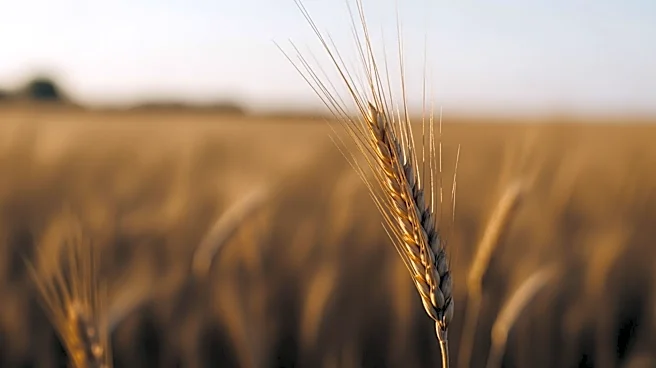
A systematic review published in Humanities and Social Sciences Communications has identified major drivers of global food insecurity affecting staple crops like maize, rice, and wheat. The review highlights climate shocks, conflict, and trade disruptions
as significant threats to food supplies. It examines policy and technological approaches that could improve food availability and resilience, such as agricultural advancements, international trade, and virtual water trading. The study emphasizes the need for countries to adopt a combination of strategies to protect food access, especially in vulnerable regions.
Why It's Important?
Food security is a critical issue as global challenges like climate change, geopolitical conflicts, and trade disruptions threaten staple crops. The review provides valuable insights into how countries can mitigate these threats and ensure stable food supplies. By adopting strategies such as improved agricultural practices, trade agreements, and water management, nations can enhance their resilience to food security challenges. This is particularly important for low-income and food-deficient countries that are highly vulnerable to global shocks, as it can help stabilize food prices and improve access.
What's Next?
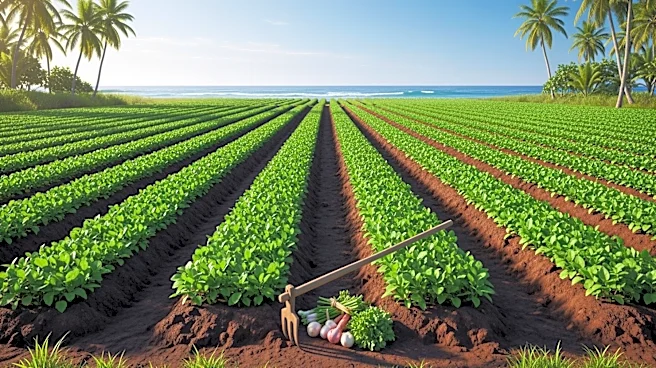
Further research is needed to develop sustainable strategies for strengthening food security amid unpredictable global conditions. Countries may need to invest in agricultural innovation, establish long-term trade agreements, and implement policies that balance food production with other demands like biofuel expansion. Collaboration between nations and the adoption of advanced technologies could play a key role in building resilient food systems. Policymakers and researchers will likely continue to explore ways to enhance food security and address the interconnected environmental, economic, and geopolitical forces impacting staple crops.