
What's Happening?
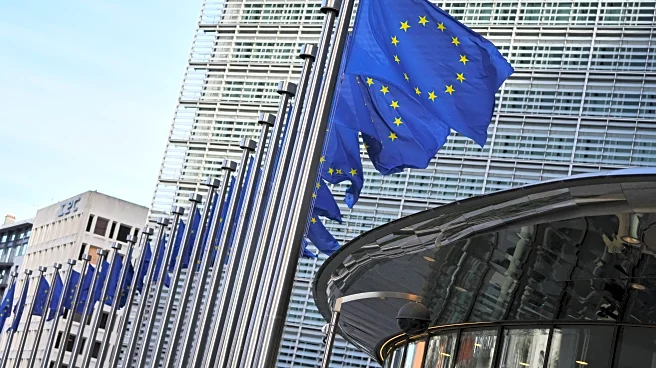
The United States has implemented visa bans on five European individuals, including former EU Commissioner Thierry Breton. This action is part of the Trump administration's response to European efforts
to regulate American tech platforms. The visa restrictions are a reaction to initiatives led by these individuals to enforce content moderation on American tech companies, which the US government perceives as a threat to free speech. Under Secretary of State for Public Diplomacy, Sarah Rogers, identified Breton as the 'mastermind' behind the EU's Digital Services Act, which aims to regulate online content. European officials have condemned the US move, arguing that it represents an attempt by the US to impose its digital governance standards on Europe.
Why It's Important?
This development highlights the growing tensions between the US and Europe over digital governance and tech regulation. The US's decision to impose visa bans underscores its commitment to protecting American tech companies from foreign regulatory measures that it views as overreaching. This move could have significant implications for US-EU relations, potentially affecting diplomatic and economic ties. The US's stance may also influence other countries' approaches to tech regulation, as they navigate the balance between free speech and content moderation. The situation underscores the broader global debate on how to regulate technology and protect digital rights.
What's Next?
The visa bans could lead to further diplomatic disputes between the US and Europe, as European leaders may seek to retaliate or negotiate changes to the US's stance. The situation may also prompt discussions within the EU about how to respond to US actions and whether to adjust their regulatory approach. Additionally, American tech companies may face increased scrutiny and pressure to comply with varying international regulations, potentially impacting their operations and strategies. The ongoing debate over digital governance is likely to continue, with potential implications for international trade and cooperation.